HELIO GLARE, DESIGN UNDER PRESSURE #83
|
|
|
|
Another week, ahead!
Teams have more ways to create, ship, but we still see that speed doesn't automatically create understanding. Visitors still need to know why they should care. Teams still need leaders who can create alignment when progress feels slow, and products still need systems that help people understand whether their work is actually making an impact.
The advantage is reducing uncertainty for customers, for teammates, and for the people making decisions about what happens next. Check em' out. Bryan |
|
|
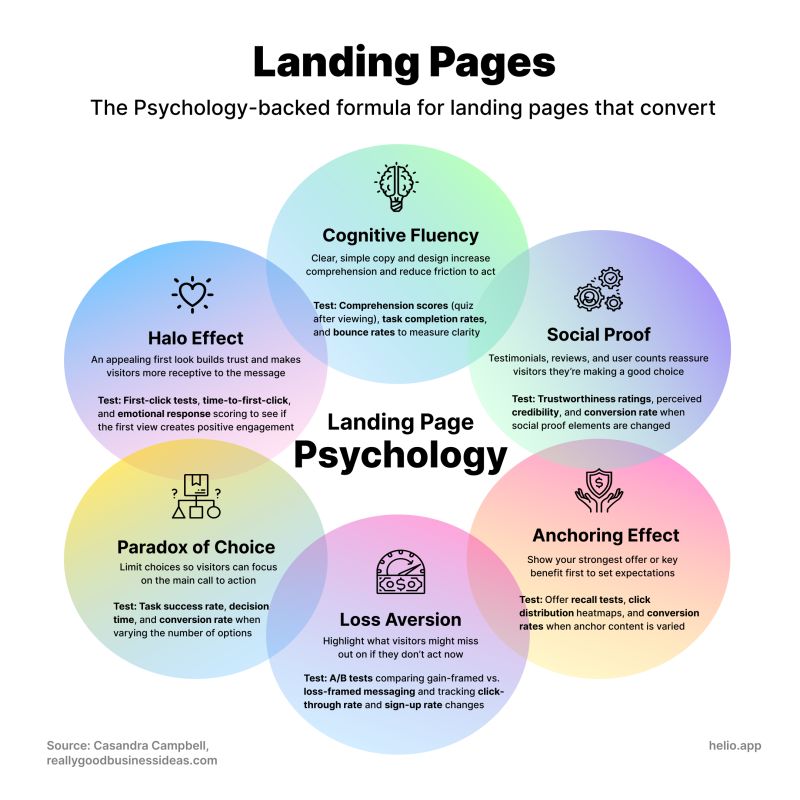
Casandra Campbell says that high-converting landing pages are less about clever design and more about understanding how people make decisions. Clear value propositions, focused messaging, trust signals, and thoughtful visual hierarchy help visitors quickly understand what's being offered and whether it's worth their attention. As AI makes it easier to generate pages at scale, the real advantage comes from understanding the psychology behind why people choose to act.
DEEP CUT: The best-performing pages reduce uncertainty, build confidence, and make the next step feel obvious. |
|
|
|
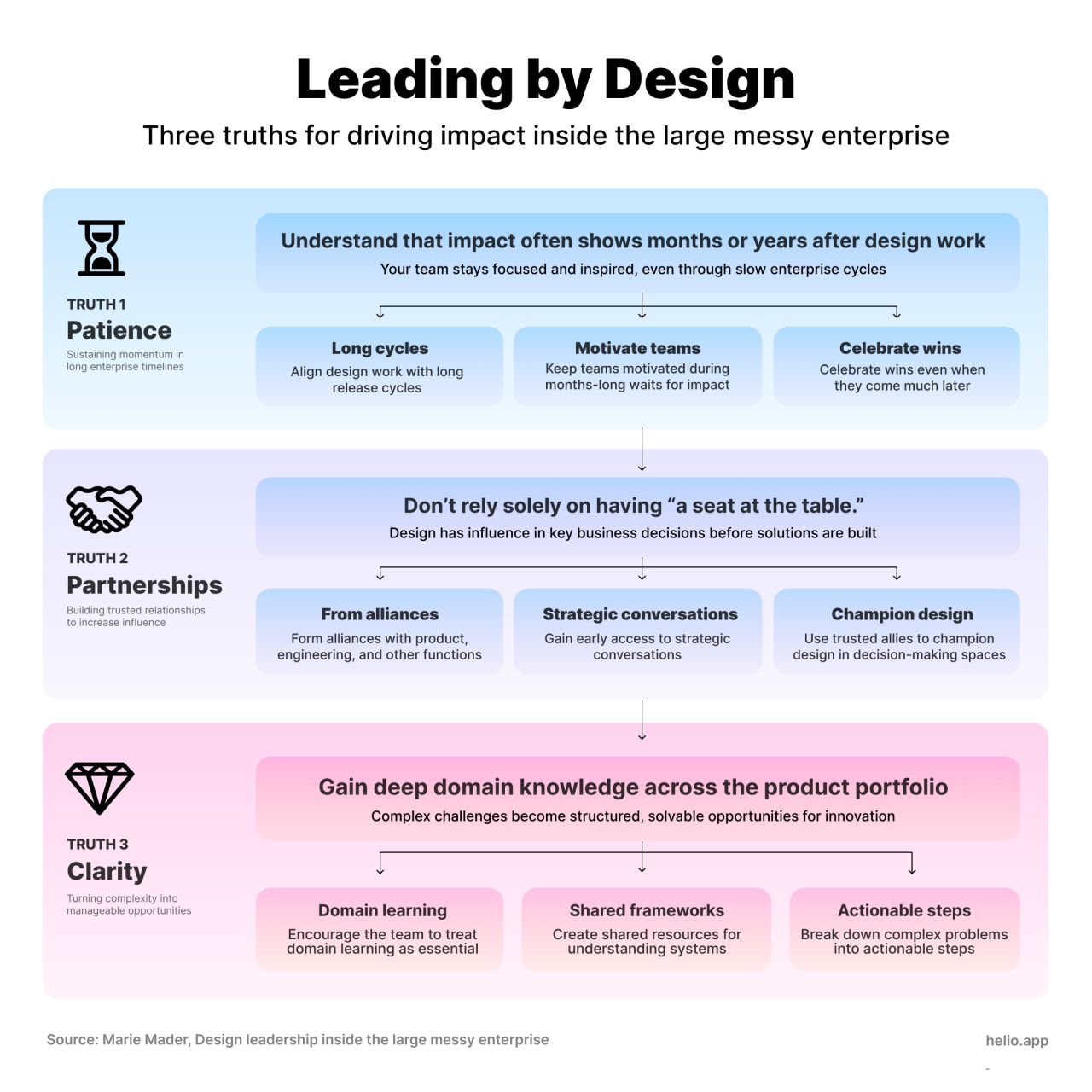
Marie V. reflects on what it takes to lead design inside large organizations where change moves slowly and influences matters as much as execution. She argues that meaningful impact comes from staying patient, building strong relationships across teams, developing deep domain knowledge, and helping people navigate complexity. As AI accelerates production, these leadership skills become even more valuable because teams need more help making sense of what to do next.
DEEP CUT: The biggest wins often come after months of relationship building, repeated conversations, and helping others connect the dots. |
|
|
|
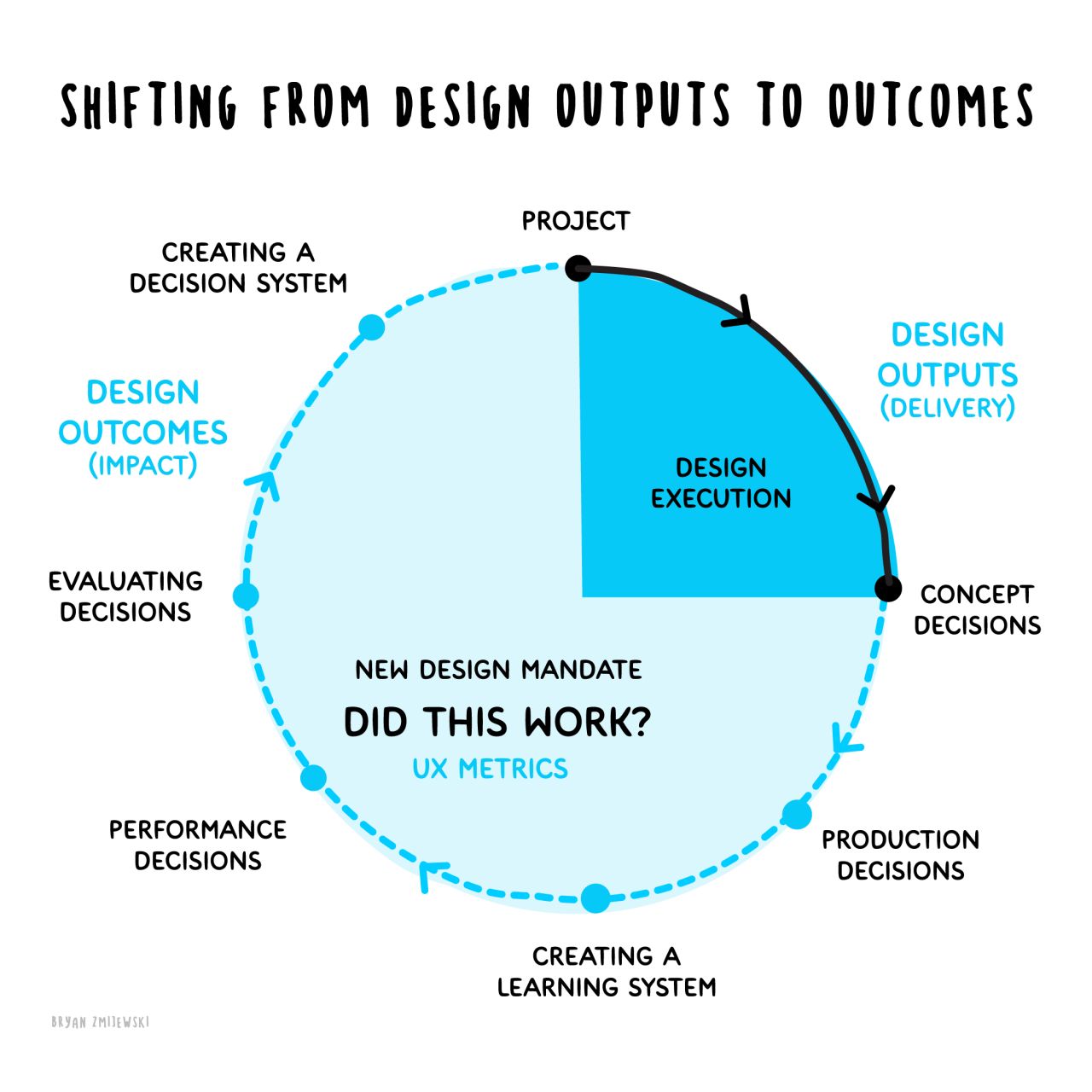
Bryan highlights that AI hasn't eliminated design work, but it has shifted where the work happens. As production becomes faster and easier, more of a designer's value comes from making decisions, evaluating outcomes, and building systems that help teams learn over time. The focus moves beyond creating artifacts and toward understanding whether those artifacts actually changed behavior, solved problems, or delivered results.
DEEP CUT: The advantage shifts to teams that can recognize signals early, learn from them quickly, and use that learning to make better decisions next time. |
|
|
|
If your team is feeling the weight of too many decisions and not enough clarity, reply back.
We’ve been expanding our framework to help teams create better alignment before work reaches production.
|
|
|
|
|