HELIO GLARE, DESIGN UNDER PRESSURE #80
|
|
|
|
The opportunity in front of us is exciting, but it also creates a new kind of pressure. How do you know which direction is actually worth pursuing? AI is giving teams more options than ever.
This week's articles explore three ways teams are answering that question. Strategy helps narrow the field and focus on problems that matter. Trust helps people feel confident when AI starts making decisions on their behalf, and personalization challenges the idea that one experience can work for everyone.
The common thread is choice. As technology expands what's possible, teams need better ways to decide what to build, how systems should behave, and how products can respond to real people.
Let’s dive in.
Bryan
|
|
|
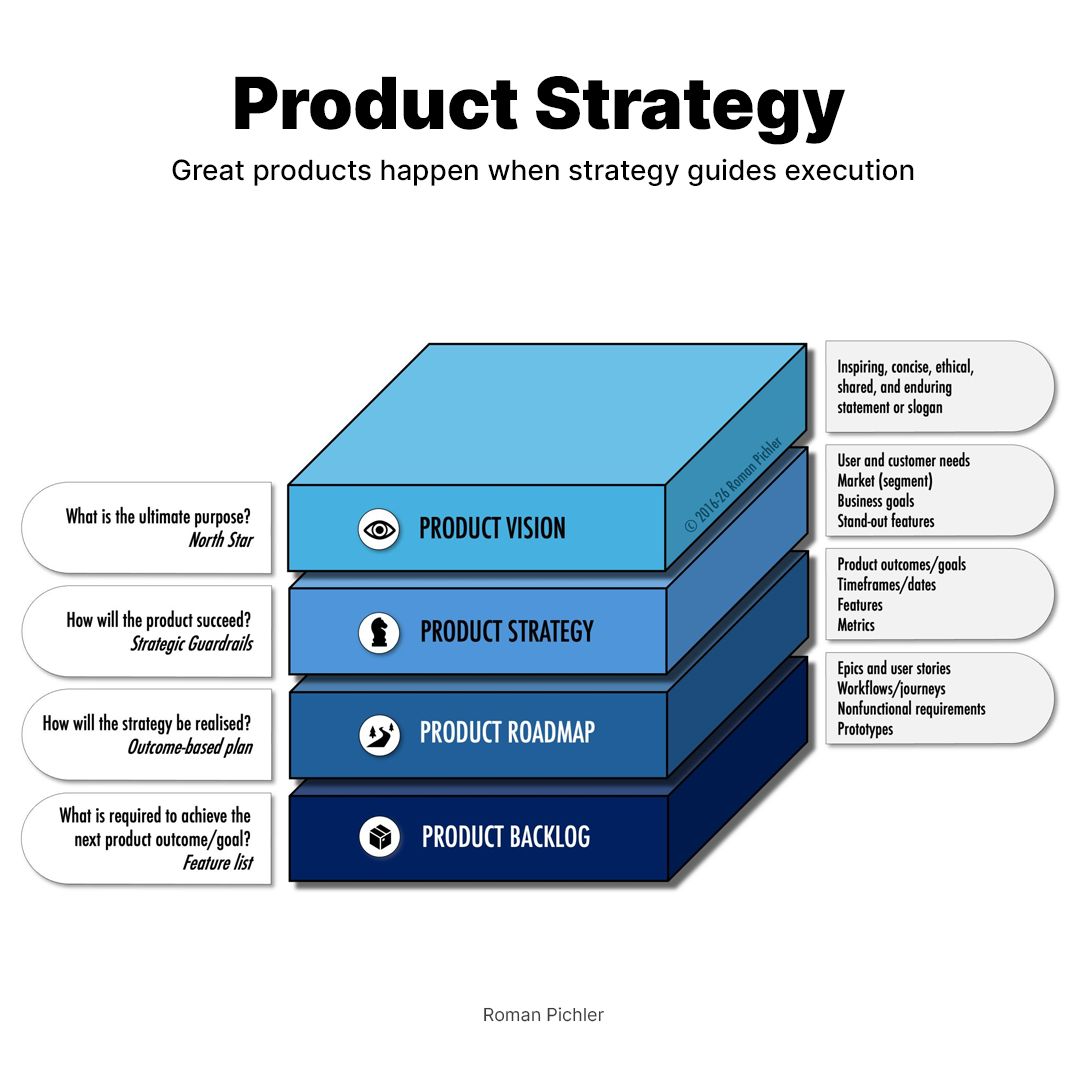
Roman Pichler argues that AI changes how quickly teams can build products, but it does not replace the need for product strategy. As development becomes easier, the real challenge shifts to deciding what deserves to be built in the first place. His framework connects product vision, strategy, roadmaps, and backlogs so teams stay focused on solving meaningful problems instead of chasing the latest AI opportunity.
DEEP CUT: Strategy becomes more valuable as building gets cheaper because it gives teams permission to say no, stay focused, and invest in the problems that actually matter. |
|
|
|
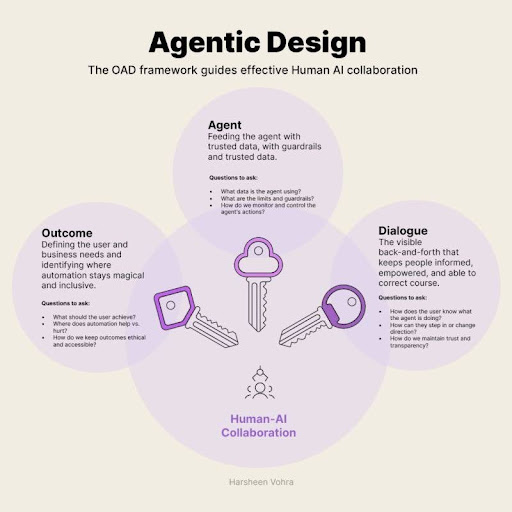
Harsheen Vohra argues that as AI agents become more autonomous, design can’t stop at screens or flows. Her O-A-D framework shifts the focus to outcomes, agent behavior, and dialogue, helping teams define goals, set guardrails, and keep users informed and in control as systems act on their behalf. It’s a practical way to design for trust in agentic experiences. DEEP CUT: Clear outcomes, visible agent rules, and ongoing dialogue reduce hesitation and fear, which is where trust quietly erodes. |
|
|
|
In this conversation with Danny Baker, they explore a shift from designing for the majority to designing for individual behavior. Danny argues that traditional UX often treats one winning variation as the answer, even though different users respond to different experiences. By paying closer attention to behavioral patterns, teams can create products that adapt to people instead of forcing people to adapt to products.
DEEP CUT: As AI makes personalization more practical, the advantage will belong to teams that can spot those patterns early and design systems that respond to them instead of optimizing for a fictional "average user." |
|
|
|
If you’re exploring AI skills and trying to figure out where they actually fit into your workflow, reply back.
We’d love to share what we’re learning and point you toward a few skills that are already helping teams move faster with less friction.
|
|
|
|
|