HELIO GLARE, DESIGN UNDER PRESSURE #79
|
|
|
|
Another new week, Happy June!
The connective tissue driving teams right now is helping people make decisions with confidence. Many leaders find themselves stuck in the same debates, trying to figure out what deserves attention and what to do next. This week's burn down explores how teams learn from their work, how they communicate evidence so people act on it and how UX metrics can help validate decisions before assumptions turn into expensive commitments. The goal moving forward is more confidence in the decisions you're making.
Lets dive in.
Bryan |
|
|
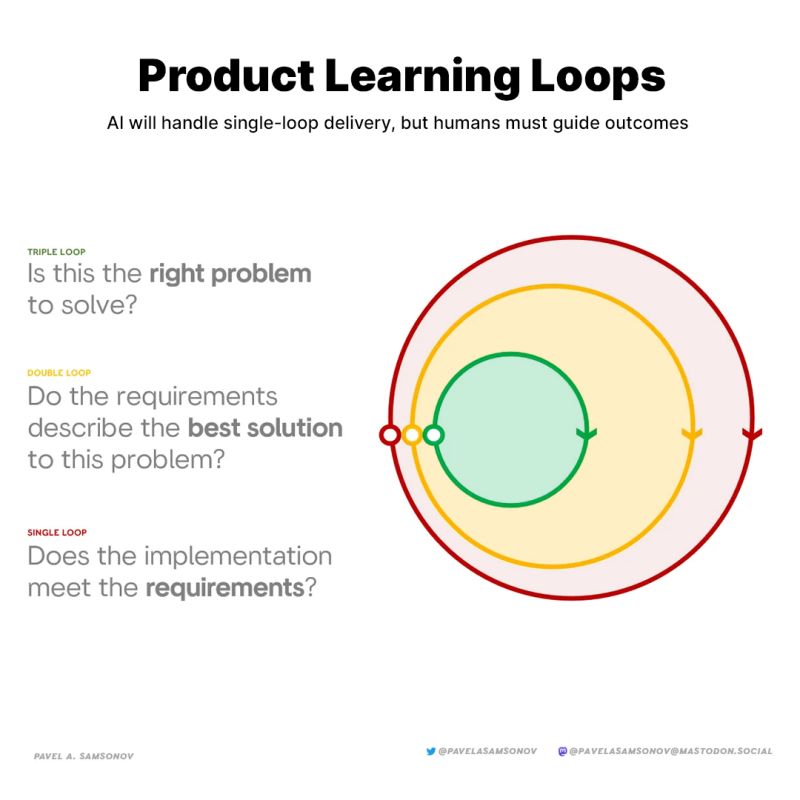
Pavel Samsonov argues that AI creates more output, but output alone is not value. The real advantage comes from stronger learning loops that help teams gather feedback, make better decisions, and adapt faster. His framework breaks learning into three levels: building things right, solving the right problem, and choosing the right problem in the first place. DEEP CUT: Teams are getting better at recognizing what deserves attention, what deserves iteration, and what deserves to be abandoned |
|
|
|
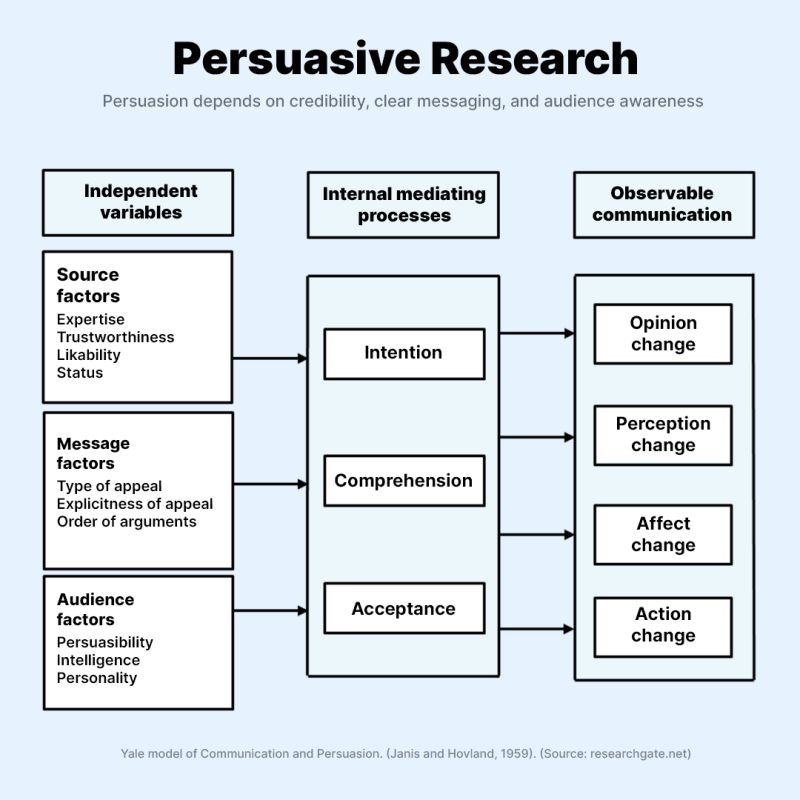
Victor Yocco argues that great research is not enough on its own. As AI makes it easier to generate concepts and prototypes, the real challenge is helping teams understand which ideas deserve attention. Using principles from the Hovland-Yale Model of Persuasion, he shows how credibility, clarity, and audience awareness help research findings drive action instead of getting ignored.
DEEP CUT: Teams often assume the evidence will speak for itself, but stakeholders are making decisions in environments full of competing priorities and limited attention. The leg up is to ensuring they're helping people connect those insights to decisions, making good evidence easier to act on than ignore. |
|
|
|
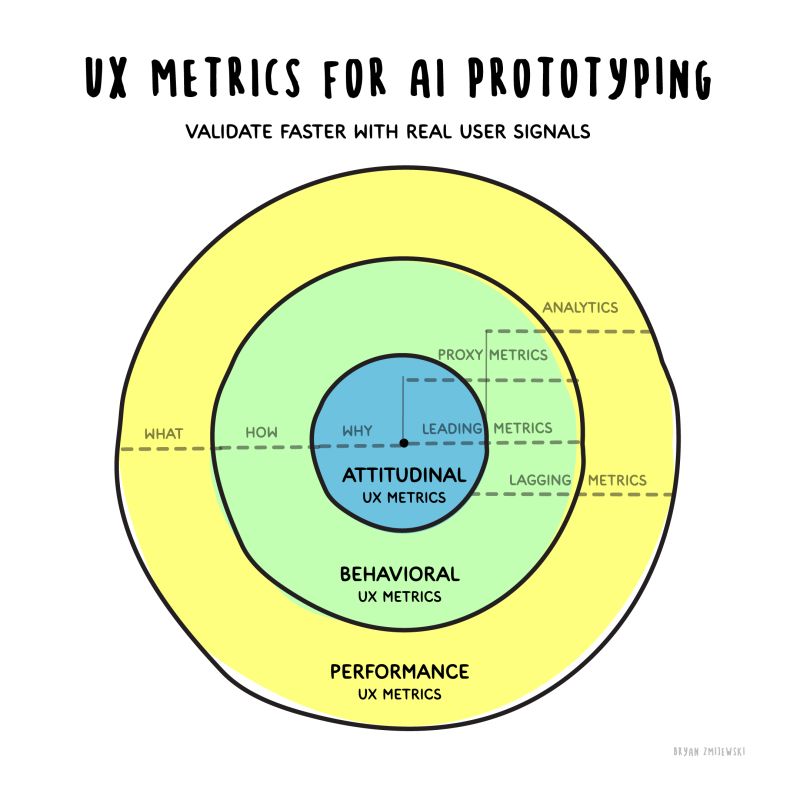
Bryan Zmijewski says that AI has dramatically shortened the path from idea to prototype, but it hasn't shortened the path to understanding what works. As AI takes on more production work, human judgment and customer understanding are becoming even more valuable.
DEEP CUT: The conversation around AI often focuses on speed, but speed is no longer the scarce resource. Learning is. When prototypes can be generated in hours, the competitive advantage shifts to how quickly teams can gather evidence, challenge assumptions, and make informed decisions. |
|
|
|
If you’re exploring AI skills and trying to figure out where they actually fit into your workflow, reply back.
We’d love to share what we’re learning and point you toward a few skills that are already helping teams move faster with less friction.
|
|
|
|
|