HELIO GLARE, DESIGN UNDER PRESSURE #76
|
|
|
|
Friday is here, again!
Anyone else agree that AI is changing the shape of design work before teams even open Figma? Teams are generating a high volume of concepts, more content, and more prototypes than ever before. Product docs are getting longer and longer, AI assistants are being added into products without enough thought and polished concepts are moving wildly fast. What stood out is that the teams creating meaningful work are not treating AI like a shortcut but leveraging how systems respond, reducing ideas down to what matters, and using AI to explore without disconnecting from real user needs, business goals, or decision-making pressure. Let's dive in. Bryan |
|
|
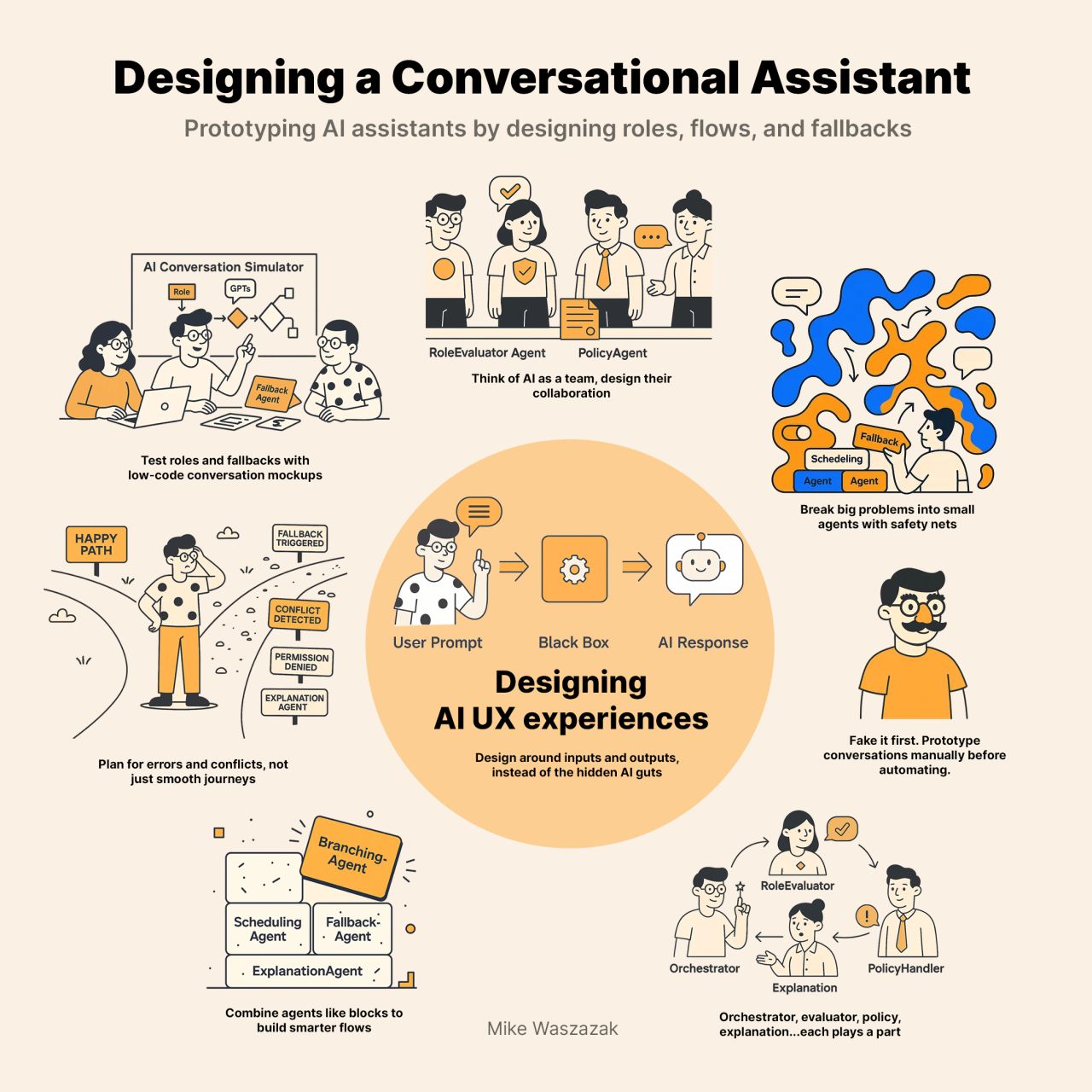
Mike Waszazak reframes AI as something teams actively shape, not just plug into products. The real design work moves beyond screens and into logic, tone, reasoning, and conversation flow. Instead of focusing only on interfaces, teams need to prototype how assistants respond, recover, guide, and build trust through interaction.
DEEP CUT: Teams that learn to shape conversations, fallback logic, and trust signals early are going to create experiences that feel far more human and dependable. |
|
|
|
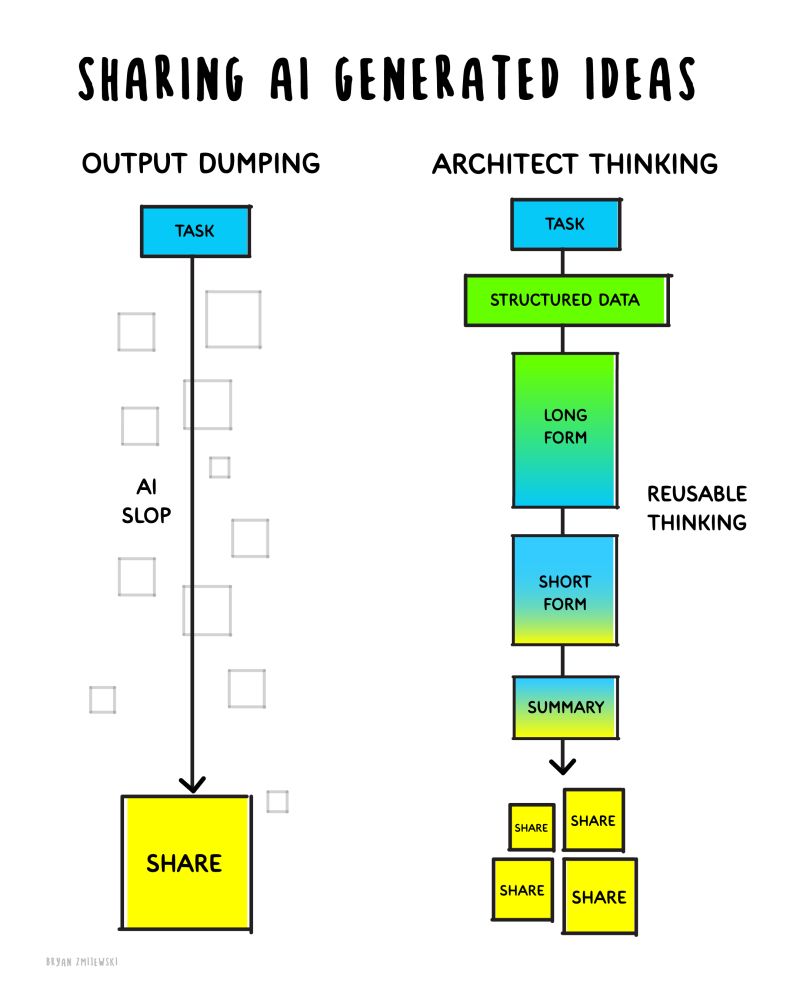
Bryan says he believes the real problem with AI-generated content is the lack of reduction and clarity behind it. Teams are passing around long product and marketing docs that look polished, but the core thinking was never shaped enough to support better decisions. Strong communication still depends on strong inputs, real source material, and systems that help teams turn complexity into useful signals instead of noise.
DEEP CUT: When everything can be generated instantly, the real skill becomes knowing what deserves attention, what should be condensed, and what actually changes direction.
|
|
|
|
In his Glaringly Obvious conversation, Kike Peña says that AI helps teams move from ideas to artifacts faster, but speed alone doesn’t create meaningful products. Strong design still depends on understanding how users, business goals, and technical constraints connect across the bigger system.
DEEP CUT: Systems thinking slows teams down in the right places so AI can accelerate exploration without pulling the work away from real user needs, business direction, or long-term outcomes. |
|
|
|
If you’re exploring AI skills and trying to figure out where they actually fit into your workflow, reply back.
We’d love to share what we’re learning and point you toward a few skills that are already helping teams move faster with less friction.
|
|
|
|
|