In this issue of Design Under Pressure, we’re digging into how design holds up when teams are moving fast and making hard calls.
We’re featuring a new UX metric called Sentiment that helps you understand how people feel about your product. You’ll also find a smart framework from Barrett Kennedy on mapping the user experience before building, fresh thinking on AI and design, and updates from the Glare community, including our latest release and forum highlights. Let’s keep building with purpose and learning from what works. Bryan |
|
|
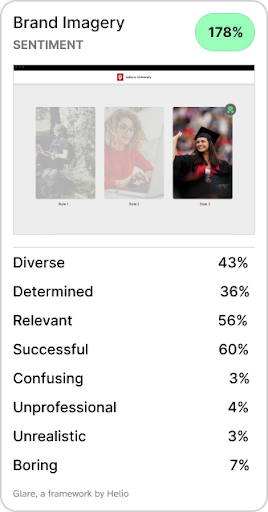
The Sentiment UX metric measures how users feel about a product’s design by tracking the words they choose in a remote survey.
Participants see a mix of positive and negative words like “trustworthy,” “confusing,” “appealing,” or “cluttered,” and pick the ones that match their experience. The Sentiment score is the number of positive words divided by the total words selected. This gives teams a data-backed look at how well the design connects with users emotionally, showing whether it builds trust and delight or causes frustration and doubt.
Let us know if you'd like to suggest edits or learn more. |
| |
|
|
We have the full set of interview clips available this week with Mike Schindler, where we dig into adopting AI tools, without losing the human element. → Check out the interview clips |
|
|
LINKEDIN POSTS
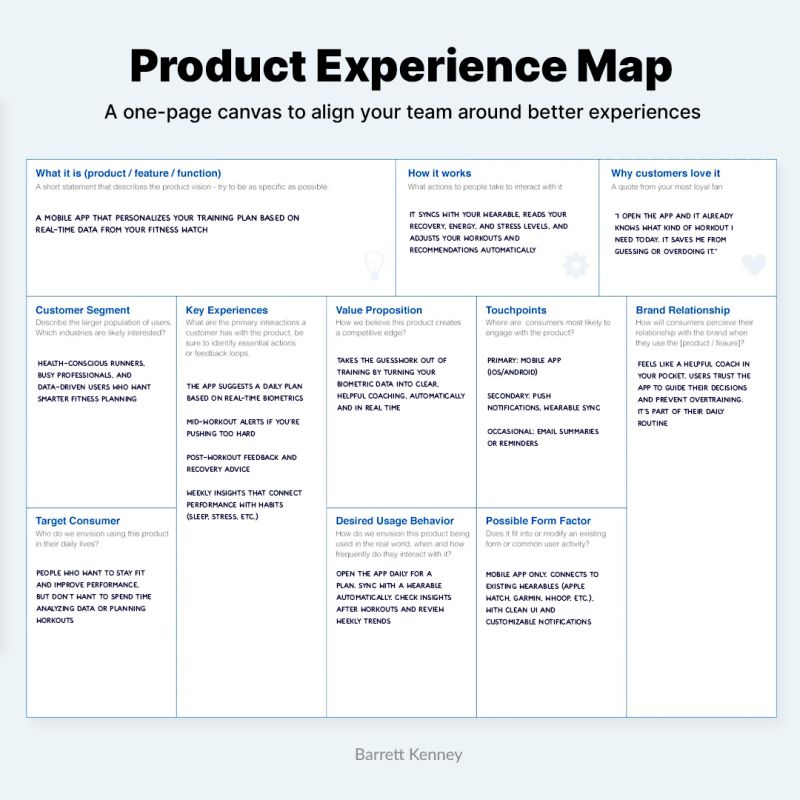
In this week's featured Helio post, Barrett Kennedy opens up about how he created a simple tool called the Experience Model Canvas to help teams think through a product idea from the user's point of view before building anything.
It guides teams to focus on key parts of the experience. What makes it memorable or frustrating? Then connects that to the product vision, user behavior, and business value.
Read more: Align your team with a product experience map. | | |
|
|
BRYAN’S LINKEDIN POSTS
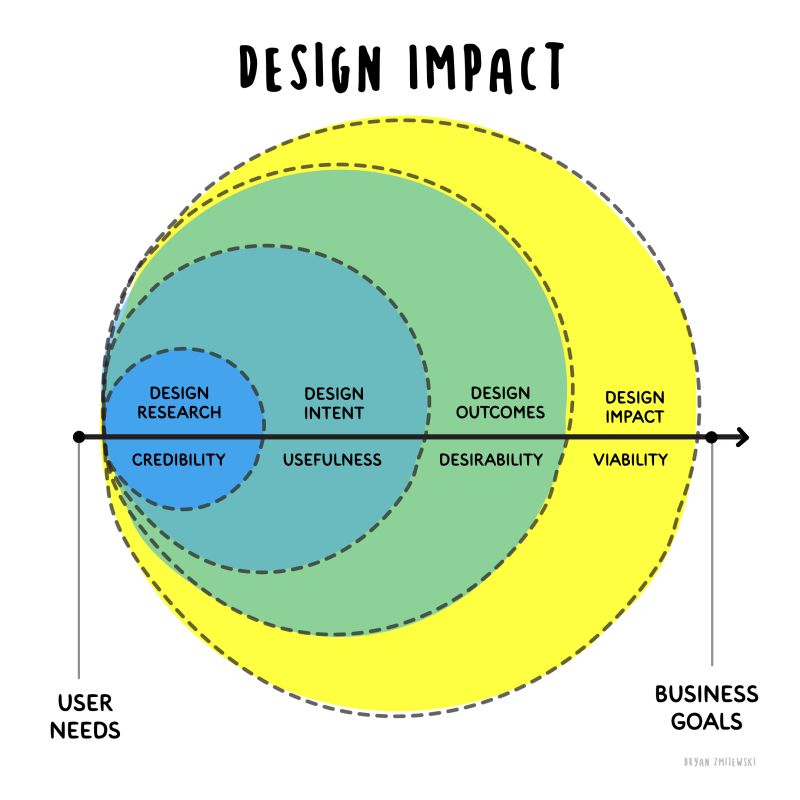
Design creates real impact when it aligns user needs with business goals, not just solving problems, but driving outcomes like growth, retention, or engagement. Usefulness alone isn't enough; desirability and viability are also critical to ensure people care about the product and the business can sustain it.
When teams understand the layers of design, research, intent, outcomes, and impact, they can better align and build solutions that last.
→ Design makes an impact when it supports business goals.
|
|
|
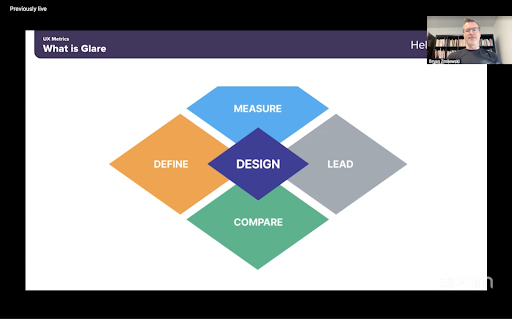
| Watch our latest webinar, 'Using UX Metrics to Drive Better Design Decisions,' which is available on LinkedIn for the full replay.
In this live session, you can see how we use Glare to test and improve mobile navigation, homepage visuals, and forms. Catch our next webinar on LinkedIn Wednesday, June 25th at 8am PST. → Watch Bryan present now |
|
|
GLARE FORUM
Morgan presents metric consistency as a challenge when sharing work. The diversity of UX Metrics using tried-and-true research methods shows real results, but how do we think about bringing more consistency to the system?
Bryan opens the floor to feedback on how the Lead section of Glare is presented in the brand. Does it blend too far into the background?
Bryan and Eric have a back and forth on mapping Outcomes from User Needs to Business Goals. Join the community for access |
|
|
GLARE RELEASE NOTES
💎 Glare Wiki Migration, AI Metrics & Forum Refresh! Glare v0.9.9.1 is live with big improvements: Wiki Migration: The old WordPress site is now fully replaced by the new Glare Wiki. Over 40 pages were imported to make documentation easier to access and update. AI Metrics: We’ve started mapping out key signals and draft KPIs to track AI performance. First internal doc is live, with plans to refine it using real user feedback. Forum Refresh: The Glare forum got a cleaner look, better navigation, and new features like tags and quick replies to make discussions smoother and more engaging. Check out the v0.9.9.1 Release Notes |
|
|
|