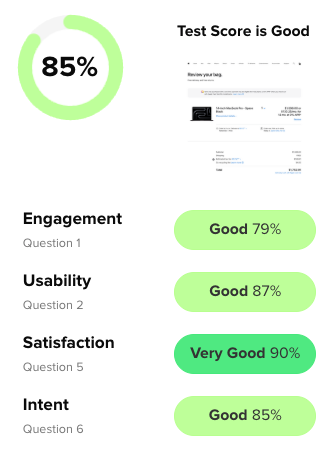
We’re diving into Shopping Cart Layout this week, using UX metrics to see how cart design builds clarity and trust before checkout. On our new Concept page, we test Engagement, Usability, Satisfaction, and Intent to understand whether users feel ready to buy.
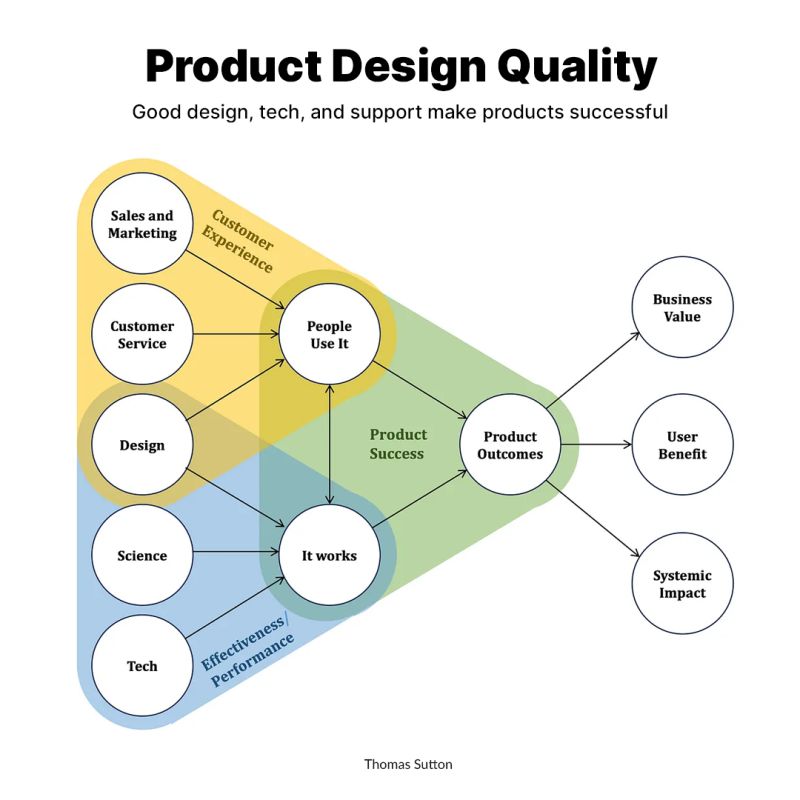
You’ll also find clips from Tristan Kromer on how experimentation helps teams learn faster, and a featured post from Thomas Sutton, who breaks design quality into six dimensions and shows why impact requires strong design, tech, and support working together.
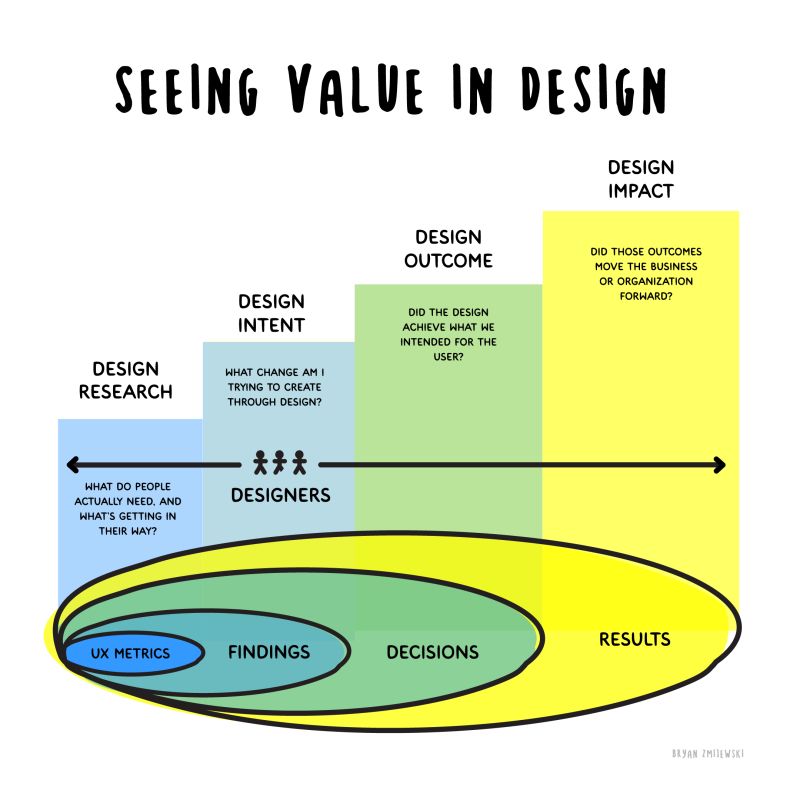
We highlight community insights on iterative process, measurable UX, outcome-driven design, and AI frameworks and Bryan reminds us that design teams can’t communicate value without understanding the impact behind their work.
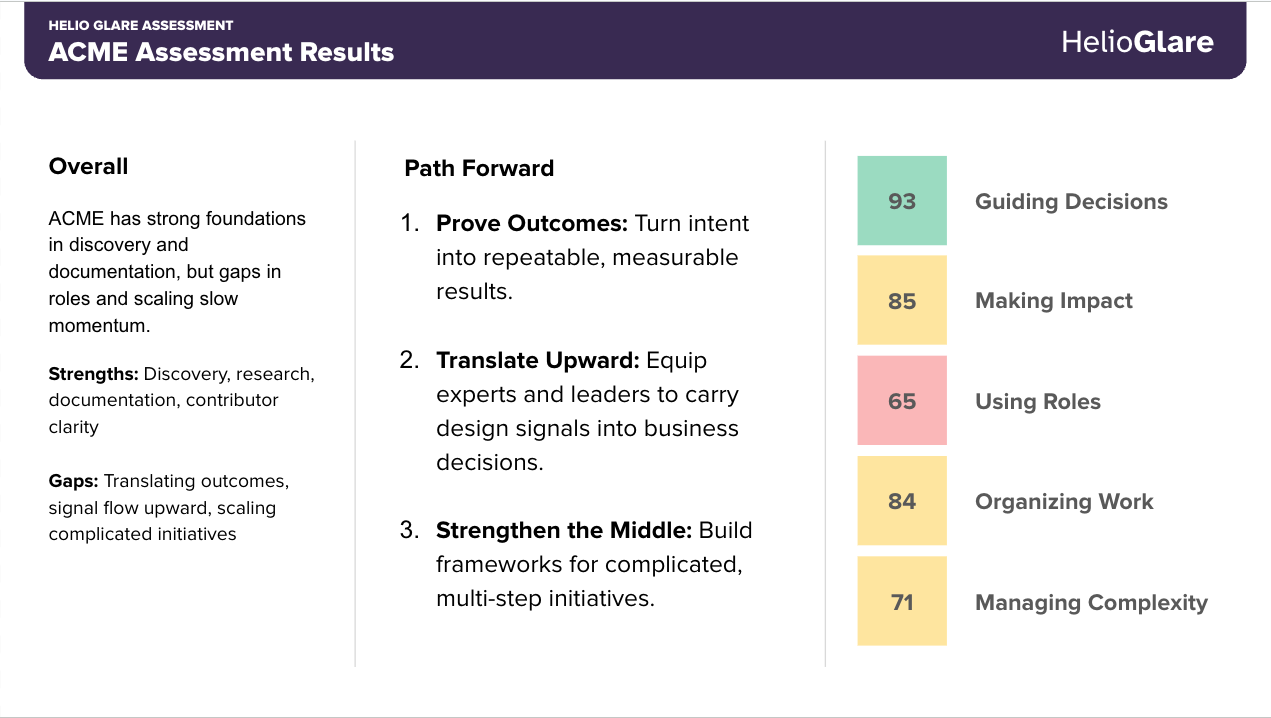
If you missed it, take the free Glare Assessment for instant clarity on your team’s design impact.
Big week, follow along.
Bryan |
|
|
The cart isn’t just the end of the journey, it’s a chance to build confidence before checkout. That’s why this week’s Concept page focuses on Shopping Cart Layout.
On the Shopping Cart Layout Concept page, we show how we tested Apple’s online store shopping bag using a design stack of Engagement, Usability, Satisfaction, and Intent. We wanted to know: does the layout feel clear, does it match what users expect, and do they understand what’s in their bag?
This Concept page highlights how to test the clarity and trustworthiness of your cart design, so users feel ready to buy instead of second-guessing themselves. Want to learn more or suggest edits? Let us know in the forum. |
| |
|
| In my Glaringly Obvious conversation with Tristan Kromer, we explored how experimentation helps teams learn faster, not just ship faster.
Tristan has spent over a decade coaching startups and enterprises to think in terms of validated learning, guiding them away from endless research cycles and toward small, testable actions that uncover truth early.
Watch the clips and start thinking beyond the screen. |
|
|
LINKEDIN POSTS
In our featured post, Thomas Sutton emphasizes that good design only drives impact when it works hand-in-hand with strong tech and support.
In his framework, Sutton breaks design quality into six dimensions: usability, accessibility, usefulness, enjoyment, context-fit, and simplicity, arguing that design teams must define and own these standards to connect their work to real user and business value.
→ Good design, tech, and support make products successful. | | |
|
Thanks to all the great authors we linked above in articles: |
|
|
| BRYAN’S LINKEDIN POSTS
Bryan emphasizes that design teams can’t communicate their value without first understanding the impact their work creates.
By getting clear on user needs, design intent, user outcomes, and business impact, designers can bridge the gap between their craft and the results it drives..unlocking influence and producing stronger, more meaningful work.
→ You can’t create design value without first seeing its impact. |
|
|
| End the opinion wars. Take the free Glare Assessment and see your team’s design impact instantly. In just 20 minutes, you’ll get clear next moves your team can act on this week, plus a guarantee of at least 3 actionable improvements, or we’ll build you a custom 90-day plan for free until you do.
→ Take the Helio Glare Assessment |
|
|
GLARE RELEASE NOTES
No major updates this week. Here’s what you can expect next week - |
- Column Block Deletion: We’re going to make it seamless for editors to remove column blocks in content.
- Responsiveness Updates: Implement responsiveness fixes for medium-sized devices like tables.
|
And thanks for being a part of the Glare ecosystem. Reach out in the forum if you have any thoughts or suggestions. |
|
|
|