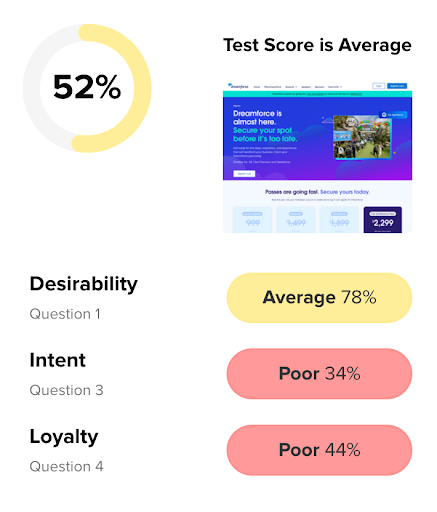
This week on our Event Registration Page Concept, we tested Desirability, Intent, and Loyalty to see how effectively it nudged potential attendees to register, a framework any team can use to improve their own event signups.
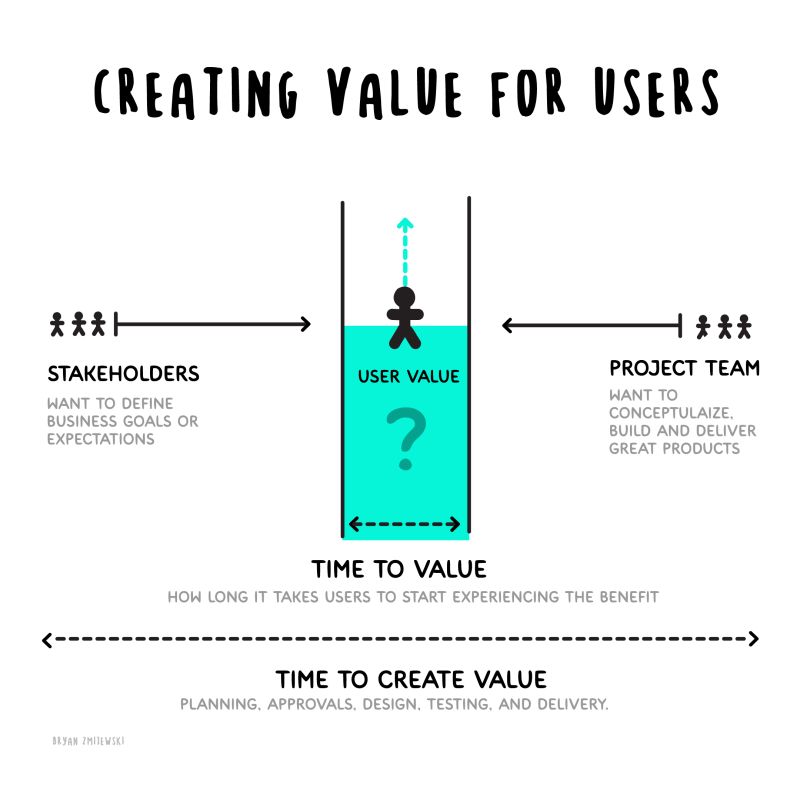
You’ll also find clips from Paz Pérez, who reframes design’s role in AI, from crafting interfaces to shaping how models think and respond. Our featured post from Nikkel Blaase reminds designers to think beyond features and focus on solving real user problems. And Bryan dives into what “user value” really means, bridging the gap between creating value and the moment users actually feel it.
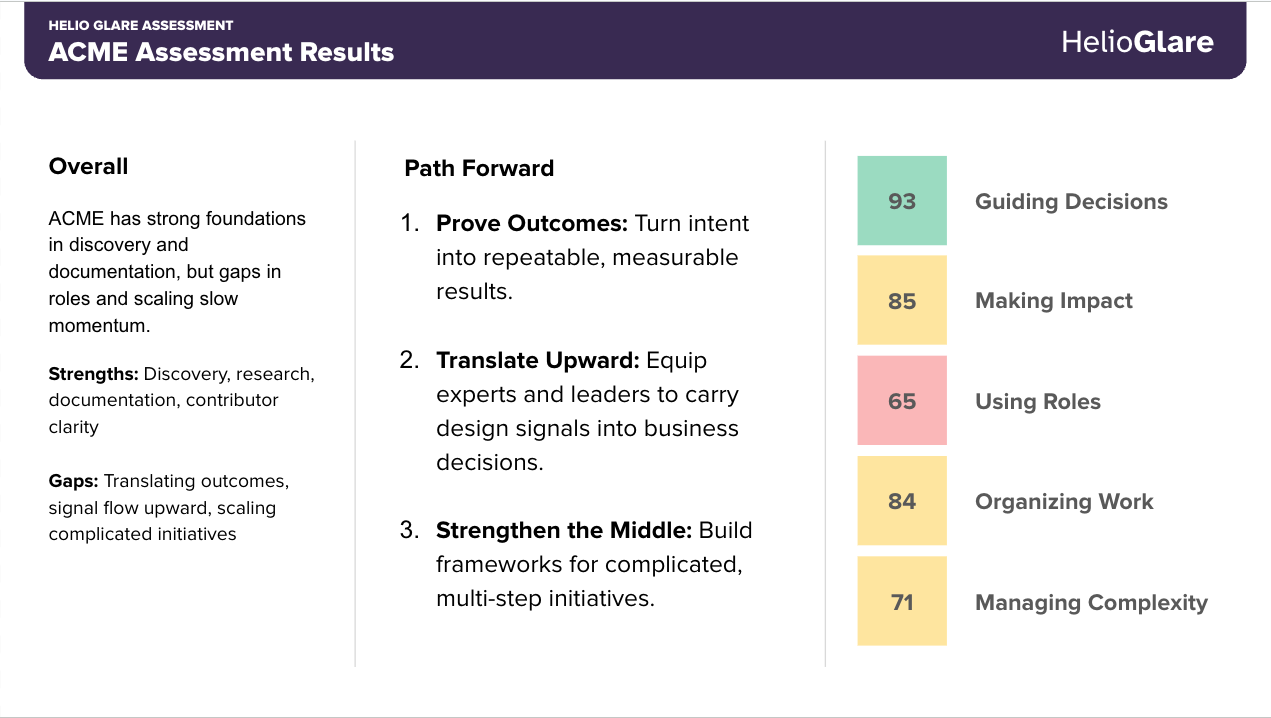
If you haven’t yet, take the Glare Assessment to see your team’s design impact in just 20 minutes or join the forum to weigh in on this week’s discussions around brand, user value, and continuous research.
See you in the forum.
Bryan |
|
|
Dreamforce just wrapped last week, and it’s the perfect time to take a closer look at how event registration pages perform under pressure.
On the Event Registration Page Concept, we break down how we tested Salesforce’s Dreamforce registration experience using a design stack of Desirability, Intent, and Loyalty. The goal: measure performance of the page for encouraging potential attendees to register.
Whether you're planning a product launch or your own flagship event, this Concept page shows how to test and optimize the first step in your user journey: registration. Want to learn more or suggest edits? Let us know in the forum. |
| |
|
|
In the Glaringly Obvious interview, Paz Perez reframes design’s role in AI from crafting interfaces to shaping how models think, respond, and relate to people.
She argues that designers are now “model shapers,” collaborating with engineers to structure data, tone, and feedback loops so AI systems communicate clearly, empathetically, and in alignment with human intent.
Watch the clips and start thinking beyond the screen. |
|
| LINKEDIN POSTS
In our featured post, Nikkel Blaase reminds designers to think beyond features and visuals, focusing instead on how products solve real user problems and drive business outcomes.
His message is clear: good design comes from asking why, measuring impact, and collaborating across teams to create cohesive, purpose-driven experiences.
→ Focus on user needs, not just features. |
| |
|
Thanks to all the authors we linked above in articles: Naren Katakam, Sudarshan Sahu, Melissa Perri , Jeff Patton, Breana Jones, Kyle Evans, Mike Cohn, Richard Lawrence, Peter Green, George Dinwiddie, Steve Bishop, Patrick Sauerwein, Mark Shead, Joshua Render, Peter Lewis, Sunil Shrivastav, Dr. Myriam Munezero, Esben A. Poulsen, Jason Yip, Chris Tubb, Kate Kaplan, Jenn Lindeman, Melanie Long, CCXP, Andrea Karina Burgueño, Jason Brush, Emily Anderson, Jana DiSanti, Jeff Gothelf, Gabriel Queiroz and Alexander Osterwalder.
|
|
|
| BRYAN’S LINKEDIN POSTS
Bryan emphasizes that many teams claim to create user value but struggle to define or measure it clearly.
True user value lies in bridging the gap between time to create value and time to value, aligning business intent with outcomes users actually feel, not just tracking satisfaction or engagement metrics. → Most teams say they build value for the user. Few can prove it. |
|
|
| End the opinion wars. Take the free Glare Assessment and see your team’s design impact instantly. In just 20 minutes, you’ll get clear next moves your team can act on this week, plus a guarantee of at least 3 actionable improvements, or we’ll build you a custom 90-day plan for free until you do.
→ Take the Helio Glare Assessment |
|
|
GLARE FORUM
Jake offered his take on what a brand is, expanding on our conversation about brand scores, and how UX Metrics can help measure brand performance.
Helge shared a fantastic study on user value, arguing it can’t be boiled down to any one set of values, but requires inquiry to surface what’s applicable for each experience.
The Gang discusses a quote and opens it up to others, “AI needs to be able to predict patterns based on humans, but humans are unpredictable.”
Eric & Helge discuss the limits and misconceptions of research in healthcare, and the opportunities that can be realized with iterative, continuous research. |
|
|
GLARE RELEASE NOTES Small Glare Wiki & Forum updates this week! We brought some new tools to our content editing toolbox. |
- Typography: Added H4s to our content to help break up the monotony
- Tables: Added small, medium, and large text options to our tables to provide hierarchy for different types of content.
|
|
|
|


_01K89Q9Z7GVGV76BMYYFTPW37D.jpeg)