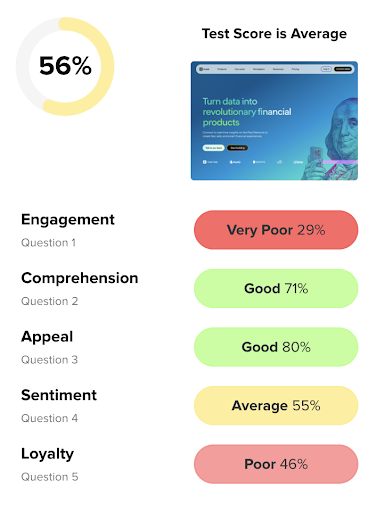
We’re diving into Homepage Redesign this week, showing how you can use UX metrics to set a clear baseline before making any visual changes. By testing Appeal, Expectations, Sentiment, and Loyalty, you can build a solid foundation to measure what actually improves post-redesign.
You’ll also find clips from Dave Gray on how simple visual patterns turn abstract problems into something teams can see, talk about, and solve together.
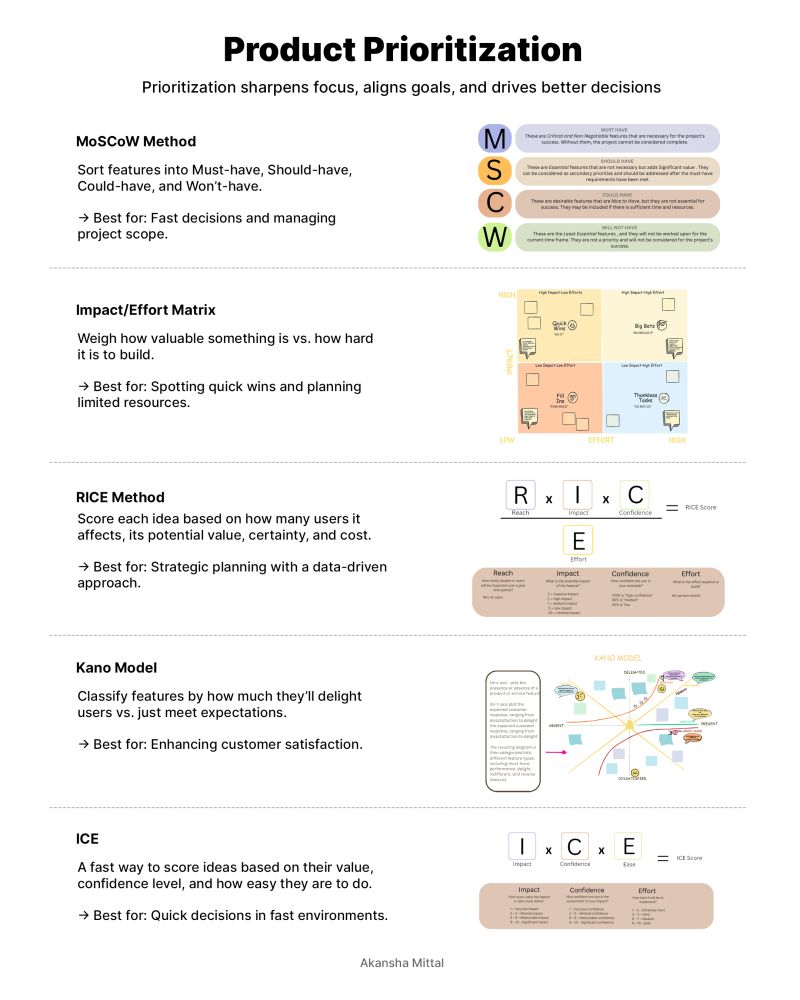
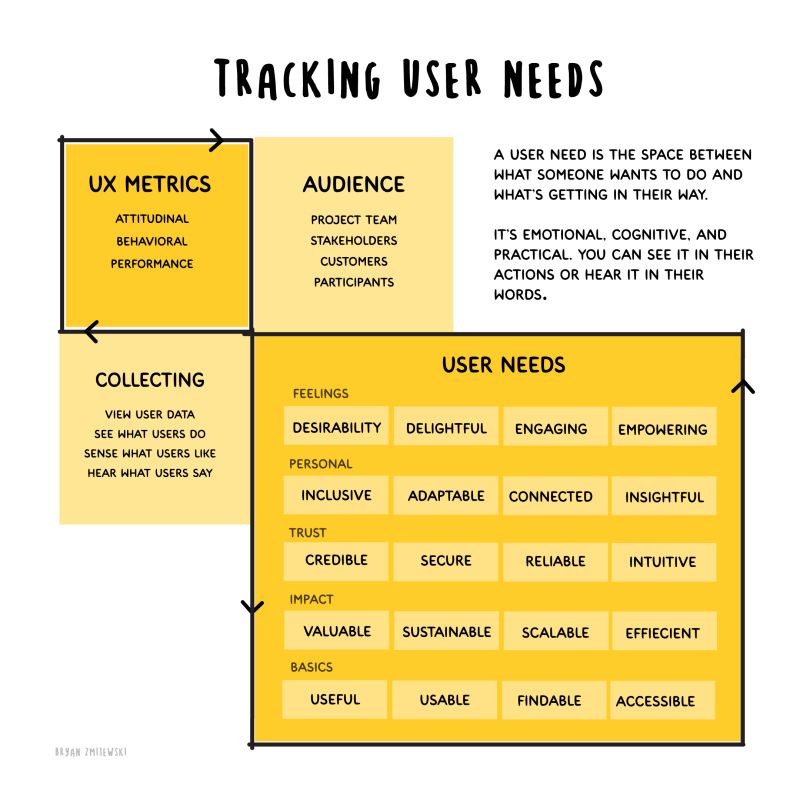
In our featured LinkedIn post, Akansha Mittal shares five practical steps to make prioritization a team superpower. And Bryan reminds us: most teams measure performance, but few measure needs, the real driver of design impact.
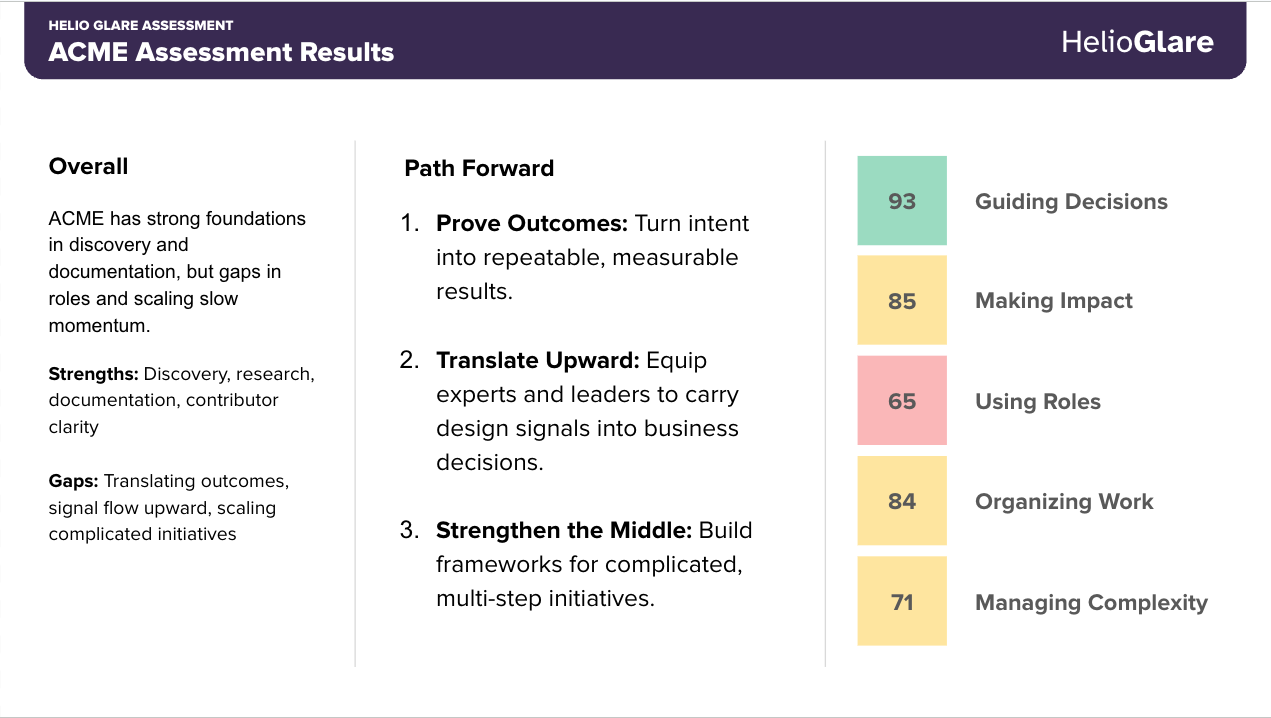
If you missed it, take the free Glare Assessment to see your team’s design impact in 20 minutes.
Big week! Let us know what you think.
Bryan |
|
|
Before you launch a redesign, you need a baseline, something to measure future changes against. That’s the focus of this week’s Concept page: Homepage Redesign.
On the Homepage Redesign Concept page, we show how we tested Plaid’s marketing site homepage using a design stack of Appeal, Expectations, Sentiment, and Loyalty. The goal was to capture how the current experience feels to users before making design changes.
This Concept page helps you build a solid foundation for redesign decisions, so you’re not guessing what worked, but tracking exactly what improved. Want to learn more or suggest edits? Let us know in the forum. |
| |
|
|
In the Glaringly Obvious interview, Dave Gray explains how simple visual patterns can turn messy, abstract situations into something people can see, talk about, and work on together.
Every situation is new, but our minds instinctively reach for metaphors and models to make sense of it. Dave believes if we can externalize those models, we can think more clearly and collaborate more effectively. Watch the clips and start thinking beyond the screen. |
|
|
LINKEDIN POSTS
In our featured post, Akansha Mittal elaborates on the idea that prioritization is a critical skill that helps product teams focus, align with business goals, and make smart decisions even with limited resources.
It’s broken down into five practical steps: align goals, understand stakeholders, use data, choose the right method, and keep adjusting, so teams can stay on track and make confident decisions.
→ Product success starts with prioritization. | | |
|
| BRYAN’S LINKEDIN POSTS
Bryan leans into the idea that most teams measure performance, but few measure what actually matters: user needs.
When you align metrics with those needs, you create a learning loop that turns guesswork into clear signals, showing which design changes truly reduce friction, build trust, and drive engagement
→ Most teams track metrics. Few track needs. |
|
|
| End the opinion wars. Take the free Glare Assessment and see your team’s design impact instantly. In just 20 minutes, you’ll get clear next moves your team can act on this week, plus a guarantee of at least 3 actionable improvements, or we’ll build you a custom 90-day plan for free until you do.
→ Take the Helio Glare Assessment |
|
|
GLARE RELEASE NOTES 💎 Glare Wiki & Forum Enhancements (Release v0.9.9.9.6)
|
-
Wiki Global Search - Introducing a powerful global search module that helps you find content across the entire Wiki. (Try it with Cmd + K on Mac or Ctrl + K on Windows.)
- Parent Page Search (for Editors) - We heard your feedback about parent page assignment—now it’s easier than ever with our new, streamlined typeahead search.
-
GIFs in the Forum - Bring a little sparkle to your posts! You can now use GIFs in the community forum. Check out the announcement here.
- Small Touches - We’ve doubled the default height of the Editor content boxes, making it easier to start editing right away - no more tricky clicks.
|
Check out the full v0.9.9.9.6 Release Notes for all the details. Your feedback keeps Glare evolving, thank you for helping us make it better every week! |
|
|
|