We’re diving in this week with breaking down Mobile Navigation, how Indiana University used UX metrics to make finding key information effortless on their online college site.
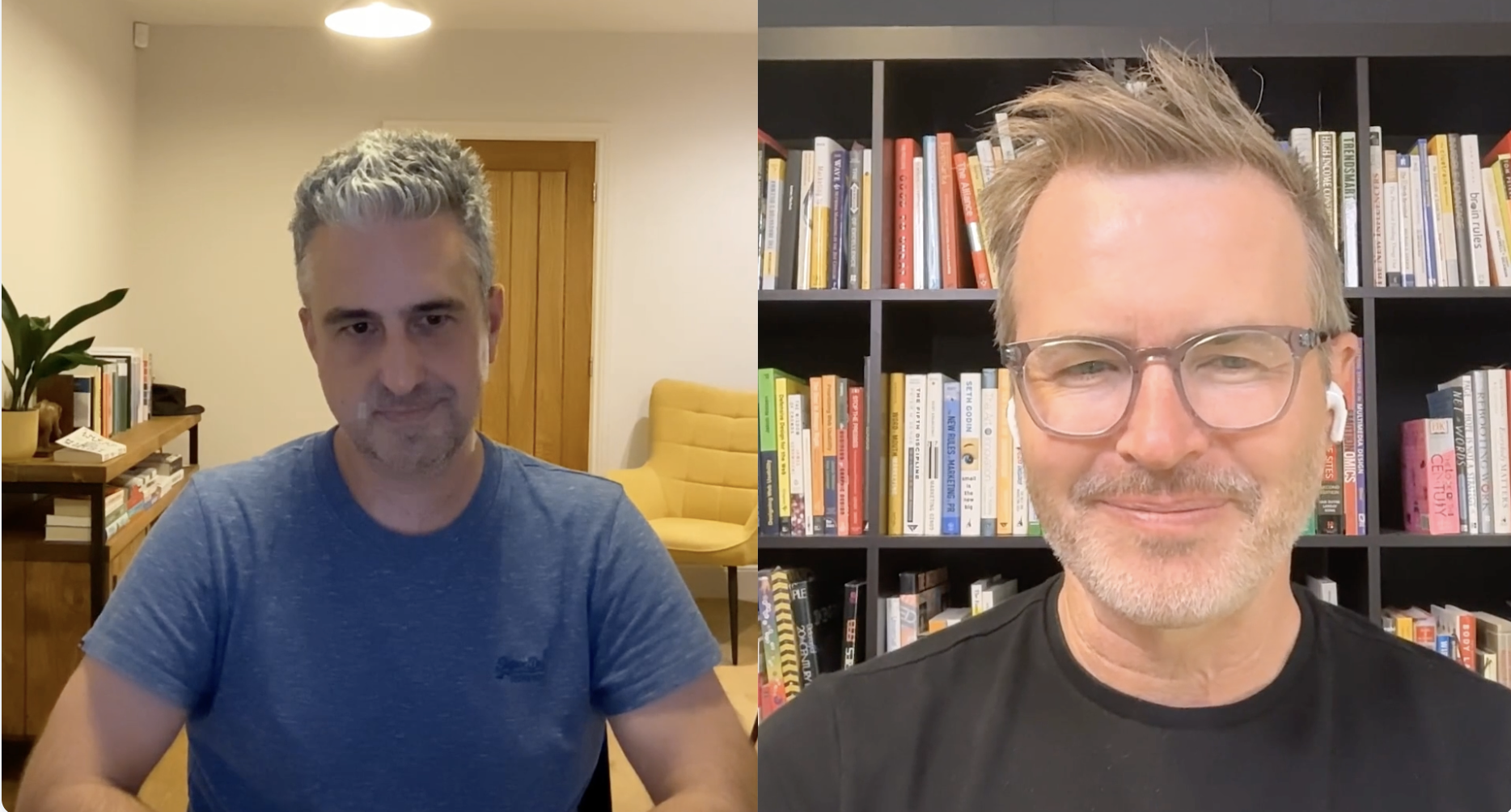
You’ll also find clips from Ian Batterbee, who argues when organizations lean too heavily on business goals or tech constraints, design can lose its human center. In our featured LinkedIn post, Merissa Silk explains why product thinking keeps teams focused and prevents them from building things nobody needs. Start with the user problem, not the product.
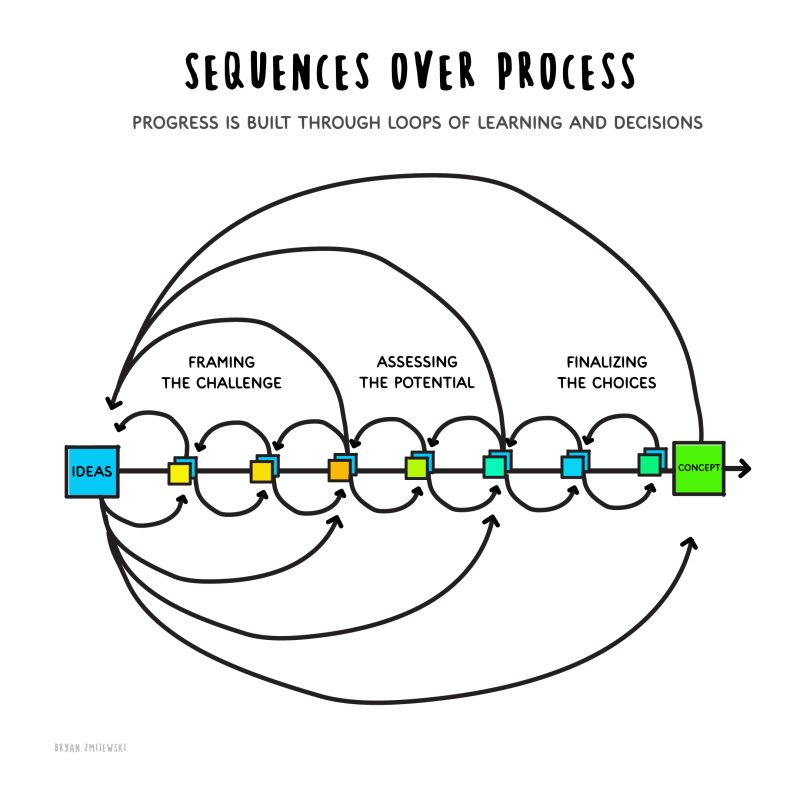
Bryan also reminds us that design’s biggest lie is that process equals progress. Following every step doesn’t guarantee forward movement, decisions do.
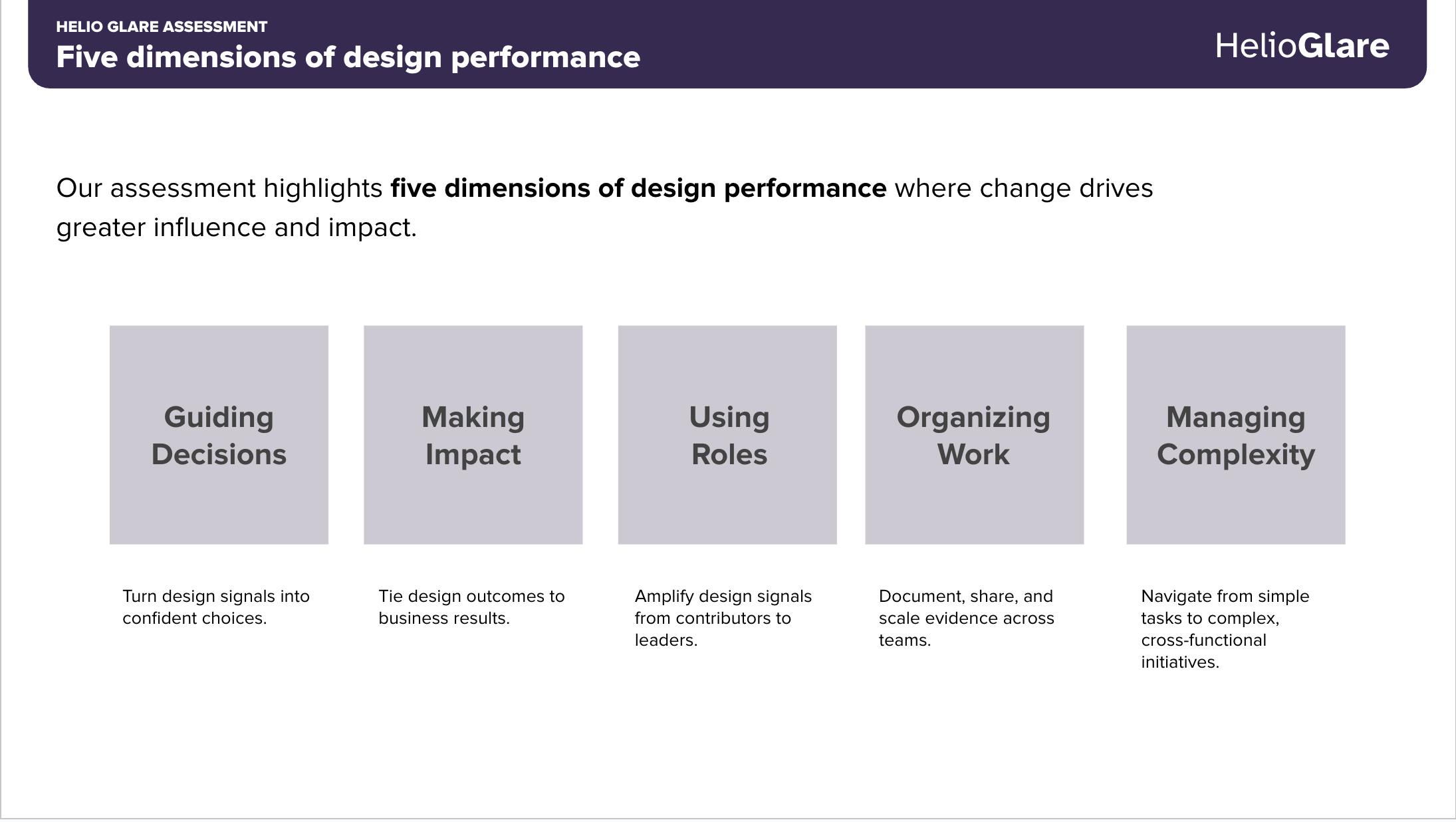
And if you missed it, check out our free Glare Assessment to see your team’s design impact instantly. In just 20 minutes, you’ll get clear next steps your team can act on this week.
Great stuff this week.. Let us know your thoughts.
Bryan |
|
|
Navigation makes or breaks mobile experiences. If users can’t find what they need, they bounce. That’s why it’s key to validate your nav design through user feedback.
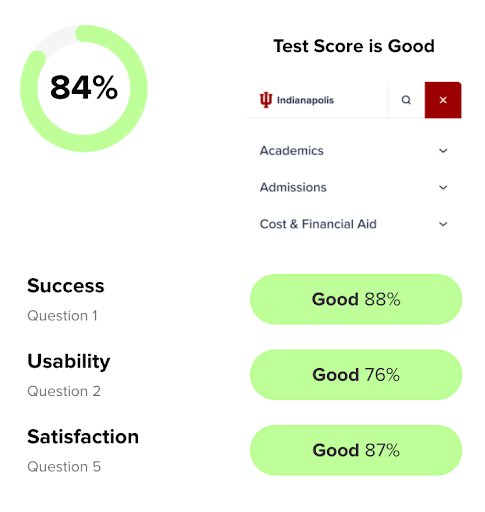
On the Mobile Navigation Concept page, we show how we tested Indiana University’s mobile navigation for their online college website. Using the UX metrics of Success, Satisfaction, and Usability, the test looked at whether students could complete key tasks and how smooth (or frustrating) the experience felt.
This Concept page gives you a clear approach to measuring how well your mobile nav performs, so you can remove friction, improve clarity, and help users move with confidence. Want to learn more or suggest edits? Let us know in the forum. |
| |
|
LINKEDIN POSTS
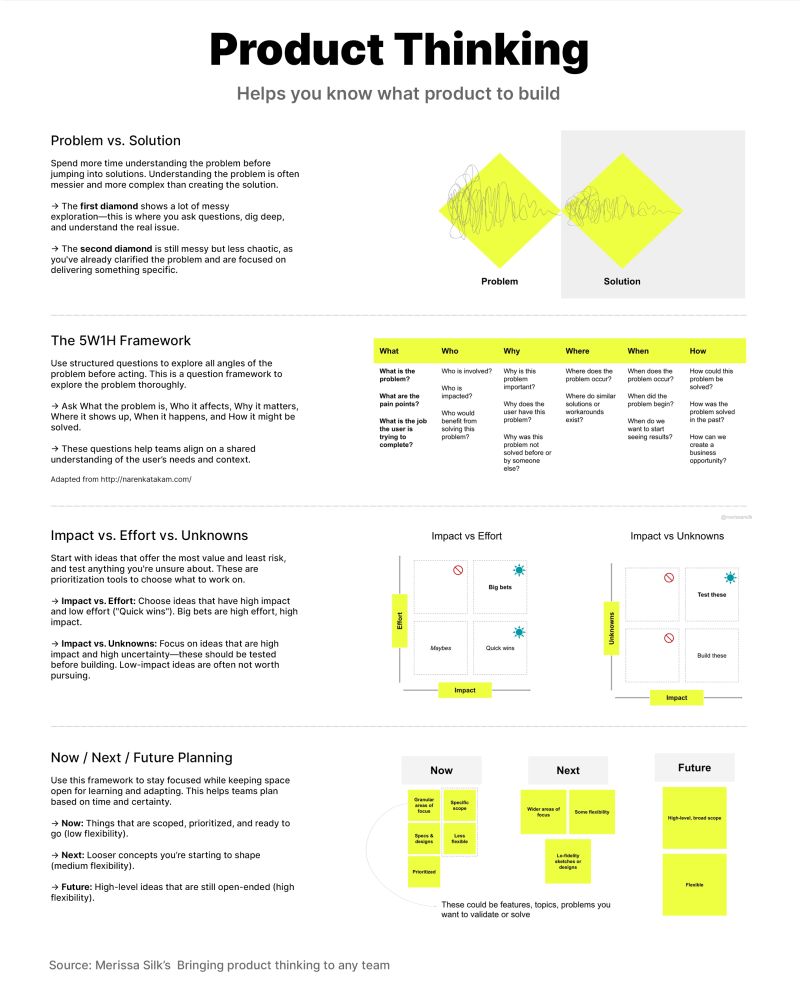
In our featured post, Merissa Silk explains product thinking. She argues it keeps teams focused, makes their work meaningful, and stops them from building things nobody needs.
To do this, teams should understand why users need something and how it benefits the business. She suggests this leads to better decisions and useful products.
→ Start with the user problem, not the product. | | |
|
| BRYAN’S LINKEDIN POSTS
Bryan argues that design’s biggest lie is that process equals progress but following every step doesn’t guarantee forward movement, because decisions, not sequences, drive results.
Real design work unfolds through loops of learning, validation, and choice, which is why Helio Glare focuses on giving teams the signals they need to make confident, impactful decisions.
→ Design’s biggest lie is that process equals progress. |
|
|
| End the opinion wars. Take the free Glare Assessment and see your team’s design impact instantly. In just 20 minutes, you’ll get clear next moves your team can act on this week, plus a guarantee of at least 3 actionable improvements, or we’ll build you a custom 90-day plan for free until you do.
→ Take the Helio Glare Assessment |
|
|
GLARE RELEASE NOTES
No updates this week. Here’s what we’re planning on tackling next: |
- Page Editor: Parent associations are currently tricky to select due to our quickly growing list of content pages. We’ll be deploying a solution for this.
- Search Upgrades: Search isn’t easily accessible today. We’ll be implementing something cool to replace our current search.
|
Your ongoing support and feedback are invaluable as we continuously strive to enhance and refine Glare. You can view all of our previous releases here: https://glare.helio.app/release-notes. |
|
|
|