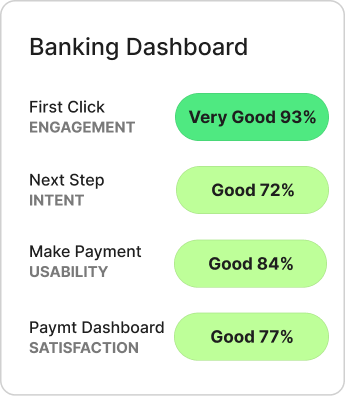
We’re diving in this week with breaking down Dashboard Engagement, how a banking platform used metrics to shape first impressions and long-term value.
See how they applied Engagement, Comprehension, and Success metrics to understand if members notice key features, grasp what they’re looking at, and feel empowered to take control of their finances.
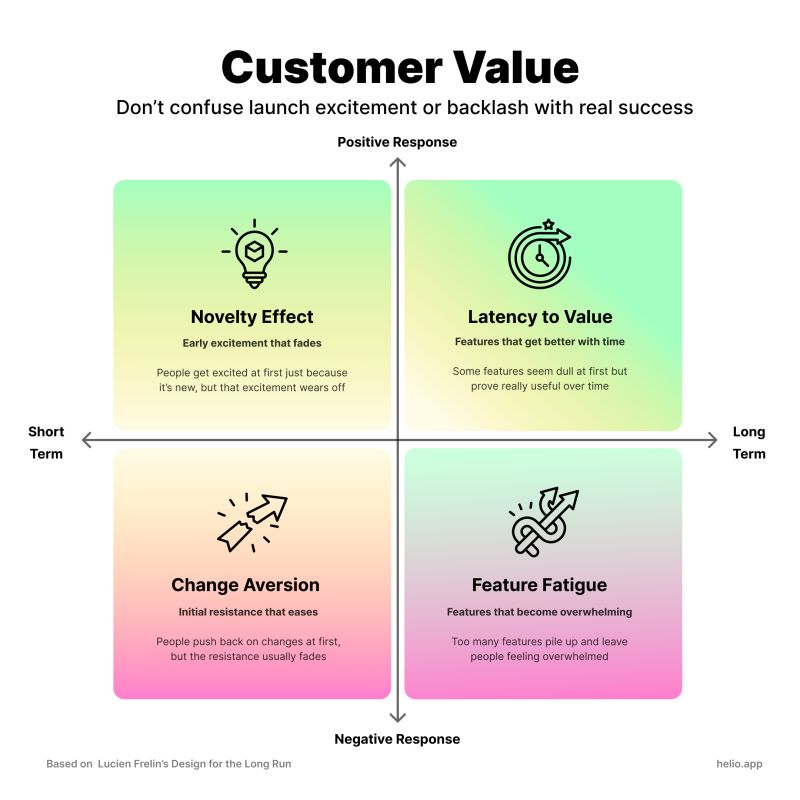
You’ll also find clips from Helge Tennø, laying out the difference between leveraging “thin data” and “thick data” in your work. In our featured LinkedIn post, Lucien Frelin explains why teams shouldn’t judge a product’s success right after launch. Real value emerges later, once habits form.
We’ve also released major performance and usability upgrades to Glare documentation.
We’re moving fast.. Excited to have you with us.
Bryan
FEATURED GLARE PAGE
Dashboards can make or break the user experience, especially when they’re the first thing people see. That’s why our latest Concept page focuses on Dashboard Engagement.
On the Dashboard Engagement Concept page, we show how a banking platform tested their member dashboard using a design stack of UX metrics. The goal was to find out if users notice key features, understand what they’re looking at, and feel like the dashboard helps them take control of their finances.
This Concept page breaks down how to evaluate first impressions and long-term value, so your dashboard can inform, empower, and keep users coming back.
Helge Tennø makes the case with Bryan that companies can’t rely on surface-level “thin data” like clicks, conversions, and traffic.
Those signals only show what happened, not why. Without deeper “thick data” that explains customer motivations and context, teams risk building on false assumptions and mistaking activity for impact.
In our featured post, Lucien Frelin emphasizes that we shouldn’t measure a product’s success right after launch. Early reactions are mostly emotional and can be misleading.
The real value emerges later as habits form, so teams need patience, communication, and support to see past novelty, change aversion, delayed value, and feature fatigue.
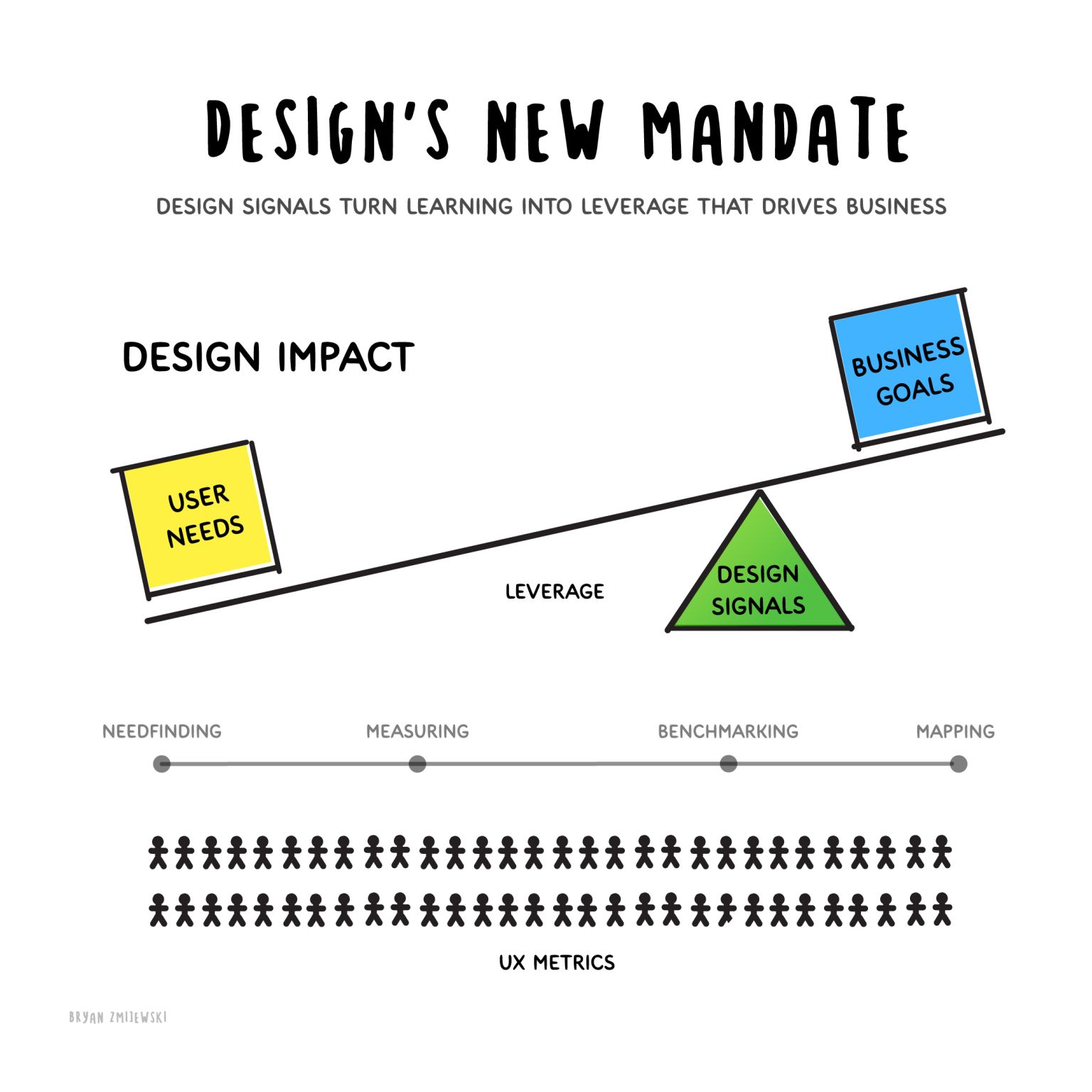
Bryan aligns with Rachel Kobetz on the idea that design is no longer just downstream from strategy. Design is becoming the infrastructure that turns strategy into real advantage.
But to move from aspiration to impact, teams need design signals, which provide the leverage to keep systems adaptive, AI grounded, experiences coherent, and speed tied to quality.
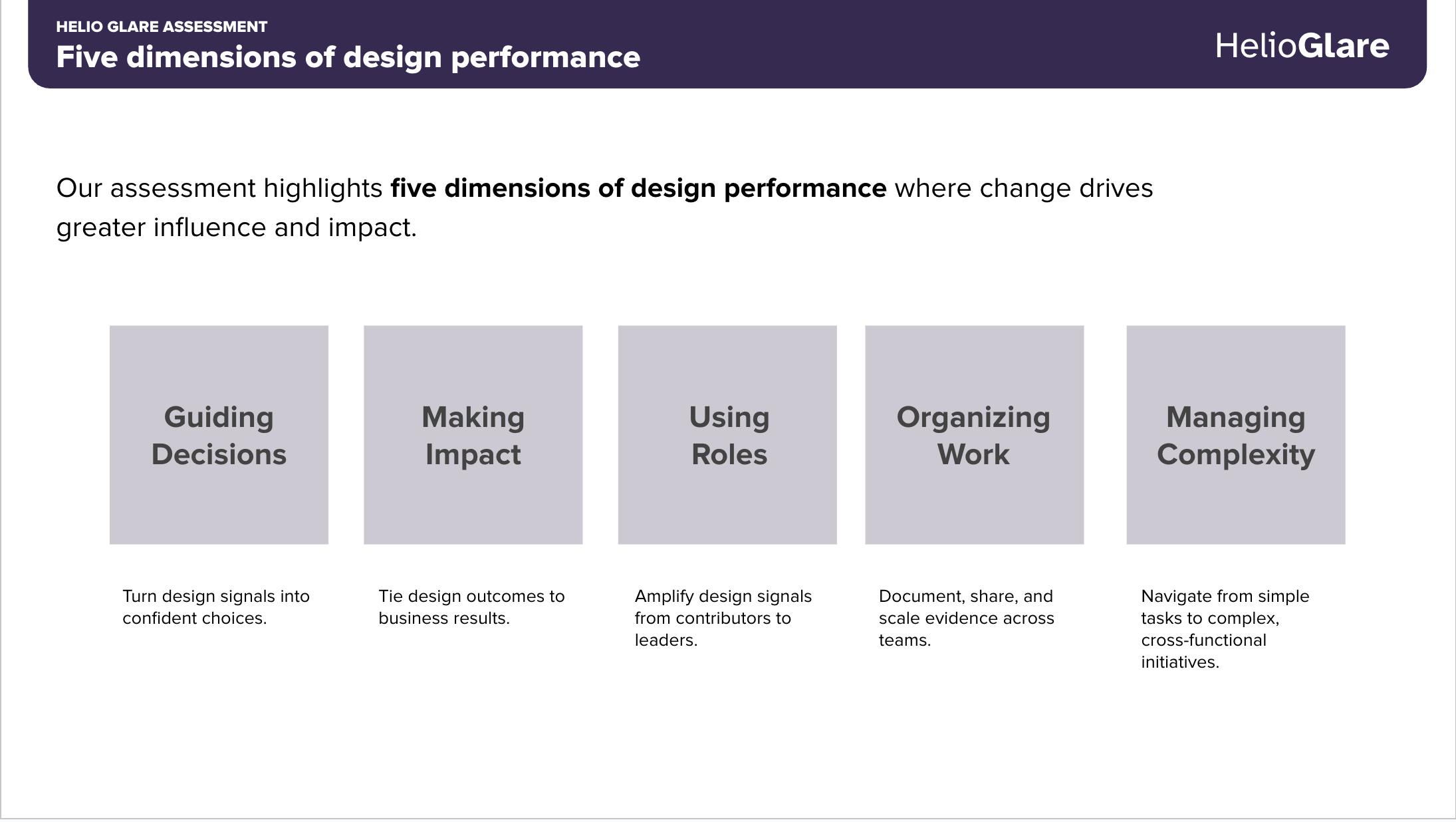
End the opinion wars. Take the free Glare Assessment and see your team’s design impact instantly.
In just 20 minutes, you’ll get clear next moves your team can act on this week—plus a guarantee of at least 3 actionable improvements, or we’ll build you a custom 90-day plan for free until you do.
Nathalie shares insights into job market trends, especially how broad skillsets, impact, proven impact, and soft skills build on AI experience.
Eric talks Design Systems, and what happens when we rely on others for best practices in the application of our design expertise. This is what Glare is about.
🚀 Performance and Usability Enhancements We've made some significant changes to improve the performance and usability of Glare.
We've moved the page rendering over to Server Side Rendering (SSR). This will increase performance and reduce content issues, providing a smoother and more efficient user experience.
We've split up the editor and page content to their own pages. This reduces JavaScript bundling sizes, making the platform faster and more responsive.
Lastly, we've added content revisioning. This new feature makes it easy for editors to revert content to a previous state, providing an extra layer of security and flexibility.
Check out the v0.9.9.9.5 Release Notes for more details on these updates. Your ongoing support and feedback are invaluable as we continuously strive to enhance and refine Glare.