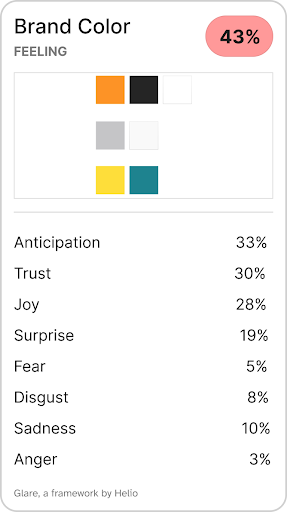
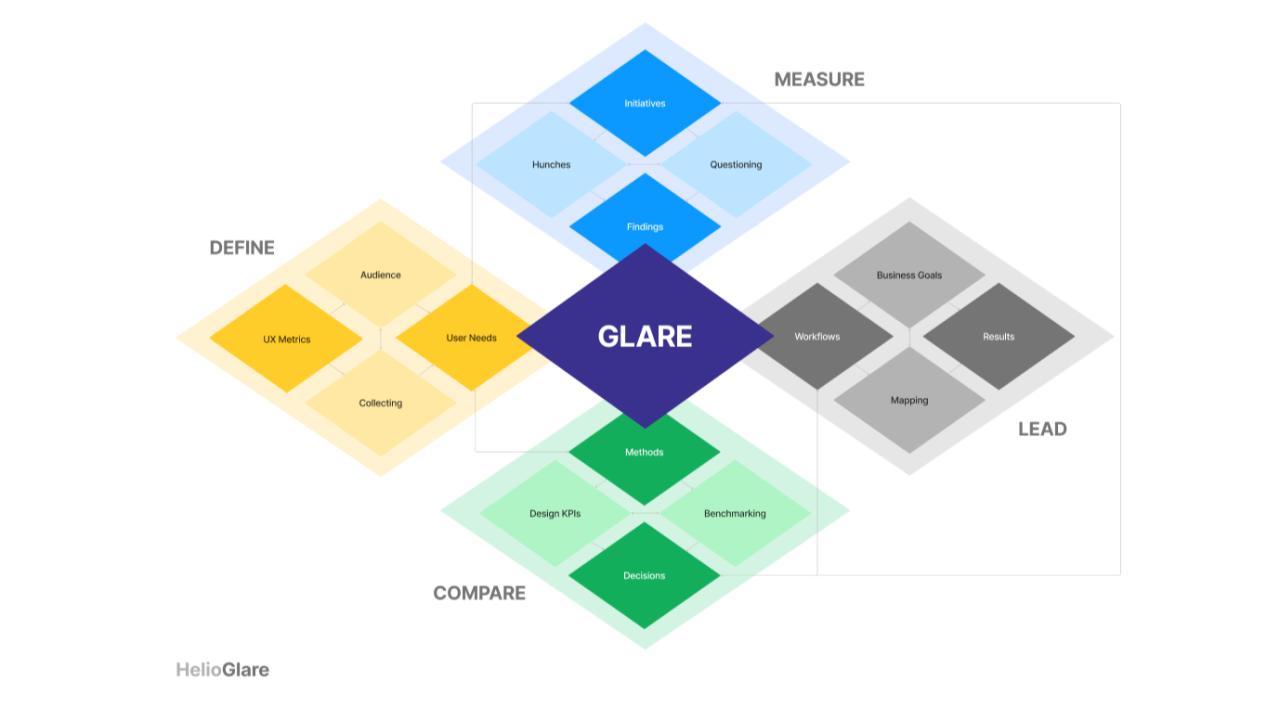
Hey everyone! This week we’re diving into Feelings, because every product leaves an emotional impression, whether we intend it or not. On the Glare page, we show how to measure emotional response using eight core emotions. One team tested new brand colors to see how users reacted, helping them shape the mood they wanted their design to create.
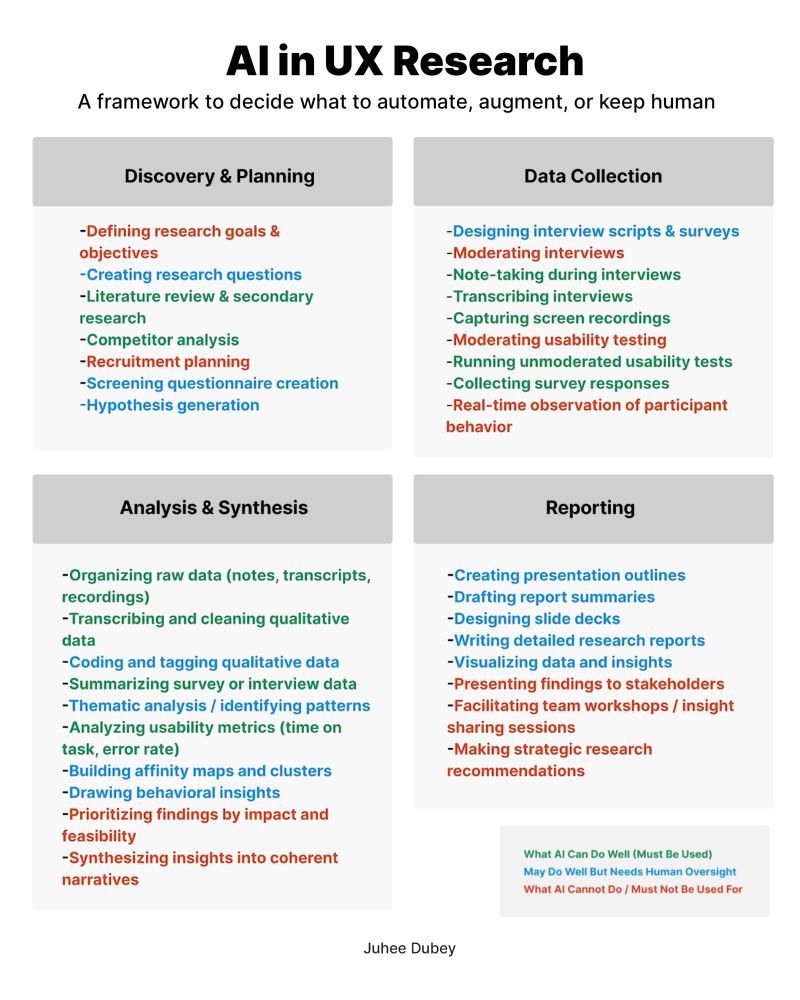
You’ll also find new interview clips from Sharang Sharma on why AI needs its own design patterns built for clarity and control. And in our featured post, Juhee Dubey explains why AI should support, not replace, UX researchers, and shares a framework to decide what to automate, what to enhance, and what to keep in human hands.
We’ve made more Glare updates too, including a cleaner scoring tool, better mobile navigation, and refined Wiki styles.
Scroll down to explore what’s new. Bryan |
|
|
Feelings tell you what kind of emotional tone your design is setting, because every product makes people feel something, whether you mean to or not.
On the Glare Feelings page, we show how to measure emotional response using eight core emotions from Plutchik’s Wheel. In this week’s example, an ad management company tested a new selection of brand colors to see how well they might resonate with their users.
The score reflects which emotions your design triggers most, helping you understand the mood your product creates. Feelings gives you insight into emotional fit, so you can design experiences that leave users with the right impression. Want to learn more or suggest edits? Let us know in the forum. |
| |
|
|
This week, we’re featuring a set of clips from Sharang Sharma. Sharang Sharma argues that AI requires new UX patterns, not borrowed software models to make experiences trustworthy, transparent, and user-controlled.
His perspective reframes AI as a design challenge with its own principles, where success comes from crafting interaction models that give users clarity, control, and safe recovery when mistakes happen. Watch the clips and start thinking beyond the screen. |
|
|
LINKEDIN POSTS
In this week’s featured post, Juhee Dubey explains why AI should support, not replace, UX researchers.
She introduces a simple framework that helps teams decide what to automate, what to enhance with AI, and what must remain in human hands. AI works best when it handles repetitive tasks, helps spot patterns, and leaves empathy and judgment to people. → AI should support, not replace, UX researchers. | | |
|
| BRYAN’S LINKEDIN POSTS
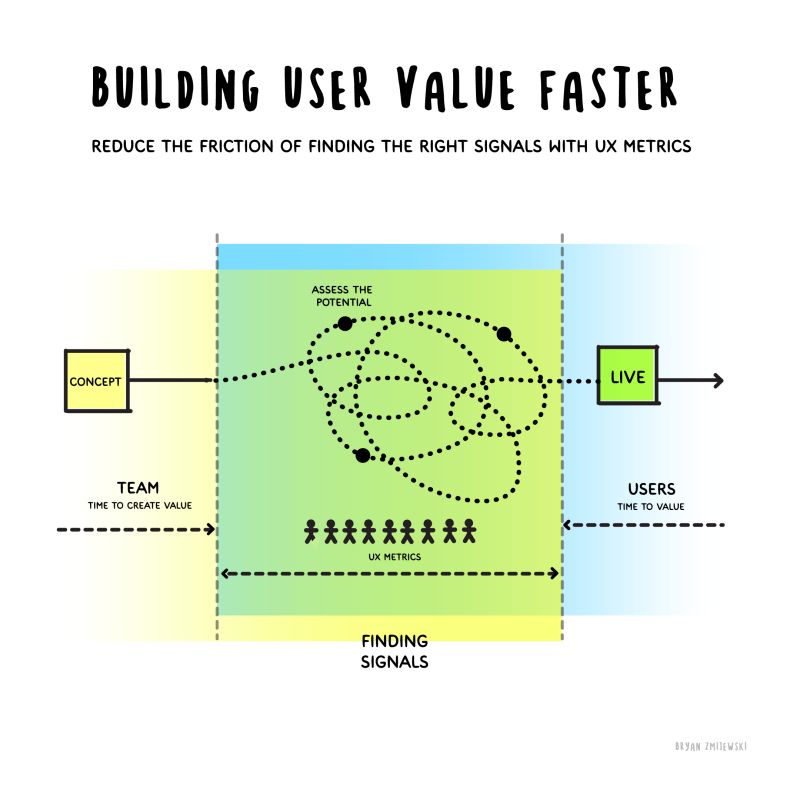
Bryan argues that most product teams don’t fail because their ideas are bad, but because they miss the signals that show whether those ideas create real value.
When the time to build and the time for users to feel value drift apart, debates stall, momentum dies, and good ideas get lost.
→ Most product teams don’t fail because of bad ideas. |
|
|
|
Watch our latest webinar, 'A Sharper Way To Show Your Design Works,' which is available on LinkedIn for the full replay. In this live session, Bryan showcases how UX metrics cut through opinions and help teams see where designs succeed or fall short... based on user behavior, not guesses!
→ Watch Bryan present now |
|
|
GLARE RELEASE NOTES
💎 Glare Wiki Enhancements v0.9.9.1Here are the items that were updated this week in Glare: |
- Content Styles: Cleaned up list styles to make them more succinct across content within the platform.
- Scoring Key Component: Updated our new Scoring Key component from last week to include all UX Metrics, editable percentage ranges, and cleaned up column styles.
-
Mobile Updates: Made our mobile Sign In and Join the Community CTAs in the navigation to be easier to click on.
|
Check out the v0.9.9.9.1 Release Notes for more details on these updates. We're constantly working to improve and refine Glare, and we appreciate your continued support and feedback! |
|
|
|