This week we’re spotlighting Usefulness.
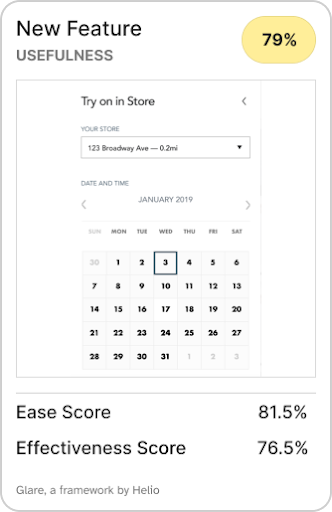
It’s not enough for your design to make sense or look good. Design needs to help people get things done. On the Glare UX metrics page, we show how one brand used our Usefulness metric to check if their new feature actually delivered value to users.
We’ve also got a great set of clips from Jeanette Fuccella, who shares a simple way to prioritize research effort based on clarity and risk. Plus, a strong reminder from the Helio community that UX has more power when it speaks the language of product outcomes. If you’re building fast, designing under pressure, or just trying to stay grounded in what matters, this one’s for you!
Bryan |
|
|
Usefulness is the practical checkpoint, a clear signal that your product isn’t just understood or liked, but truly helping people accomplish what they came to do.
On the Glare Usefulness page, we show how to measure whether users find real value in your experience, using a UX-Lite-based score that reflects task success and utility. In this week’s example, an e-commerce clothing brand tested their new feature by asking: does this help users get what they need?
Measuring Usefulness highlights gaps in function or flow, and ensures your design delivers more than just a good impression. Want to learn more or suggest edits? Let us know in the forum. |
| |
|
|
This week, we’re featuring a set of clips from Jeanette Fuccella. Her framework offers a simple way to tailor research effort based on problem clarity and project risk.
Her 2x2 matrix helps teams quickly assess whether to move fast with light testing or invest in deeper research. It’s designed to spark conversation, adapt with project changes, and ensure research time is spent where it matters most. Watch the clips and start thinking beyond the screen. |
|
|
LINKEDIN POSTS
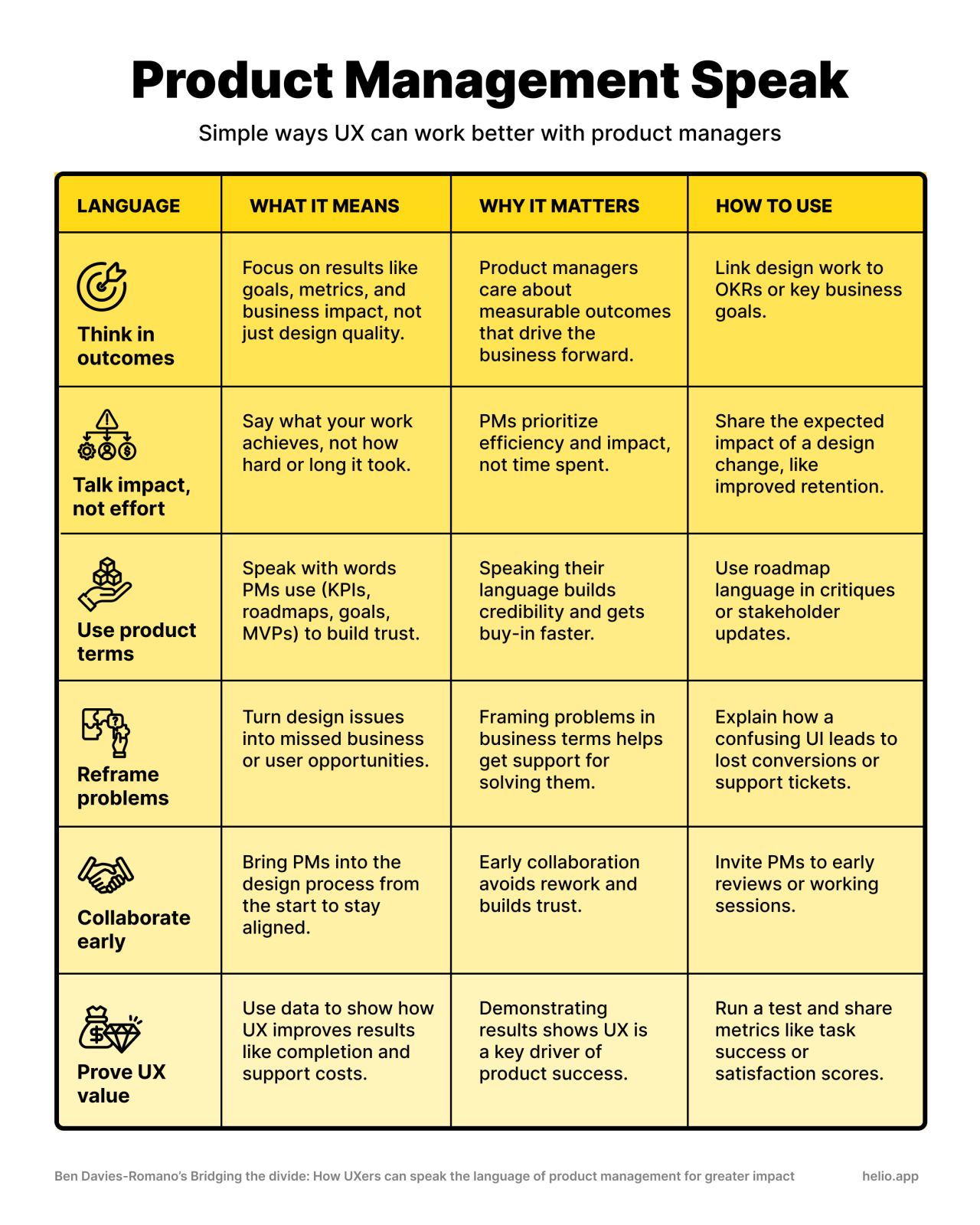
In this week’s featured post, Ben Davies-Romano emphasizes the idea that UX has a greater impact when it's aligned with product outcomes and business goals.
He encourages designers to close the communication gap with product managers by focusing on results, using product language (like KPIs and roadmaps), and reframing UX challenges as business opportunities. Read more:
Systems thinking is more important than ever. | | |
|
| BRYAN’S LINKEDIN POSTS
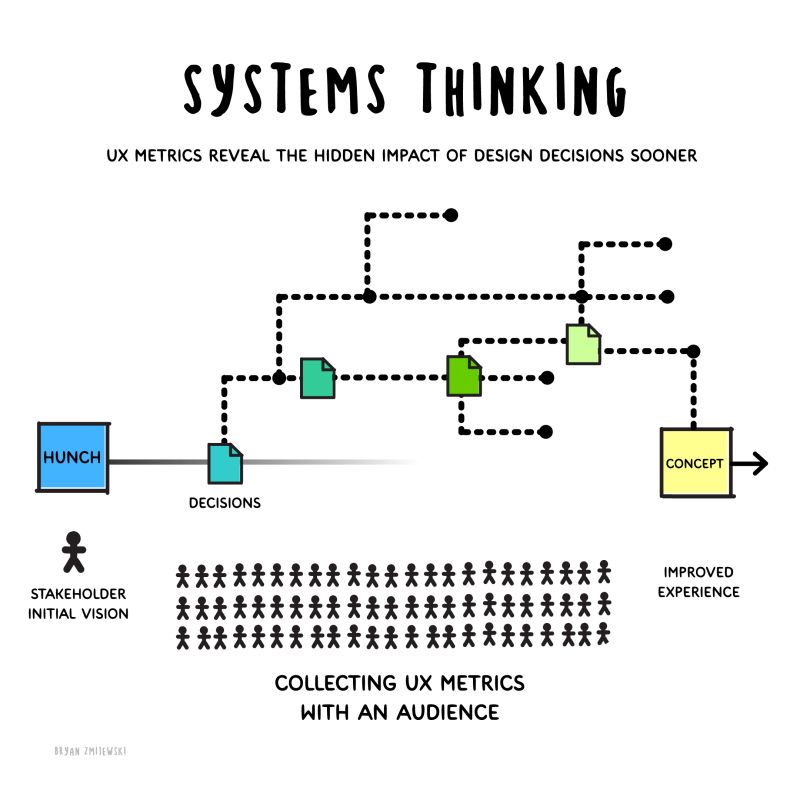
Bryan leans into the idea that systems thinking is essential in today’s fast-paced, AI-accelerated product development.
As speed increases, so does the risk of unintended consequences. Systems thinking helps teams slow down where it matters, test what they can’t see, and design with confidence. → Systems thinking is more important than ever |
|
|
|
Watch our latest webinar, 'A Sharper Way To Show Your Design Works,' which is available on LinkedIn for the full replay. In this live session, Bryan showcases how UX metrics cut through opinions and help teams see where designs succeed or fall short... based on user behavior, not guesses!
→ Watch Bryan present now |
|
|
GLARE FORUM
Nathalie weighed in on how designers become leaders with action items and references to dig deeper.
If you haven’t weighed in on “Capturing UX Metrics Sooner…”, you’re missing out on a great conversation that’s expanded to CPI’s, KPI’s, and how they fit into the business.
Ben’s been integrating AI across his workflows, and shares an approach to validating a prototype before moving to testing with users. |
|
|
GLARE RELEASE NOTES
Performance & Usefulness UX Metric Enhancements! Glare v0.9.9.6 is live with significant improvements:
Glare Wiki Updates: We've made some updates to our Glare Wiki. Now, users can edit the pages without any issues, thanks to our fixed UX Performance Metric that previously had broken content. Usefulness UX Metric: We've updated the Usefulness UX Metric page's card and enhanced some of the story. This update will provide a better understanding and make it more user-friendly. These updates are part of our continuous efforts to improve your experience and make our platform more efficient and easy to use.
Check out the v0.9.9.6 Release Notes for more details on these updates.
|
|
|
|